
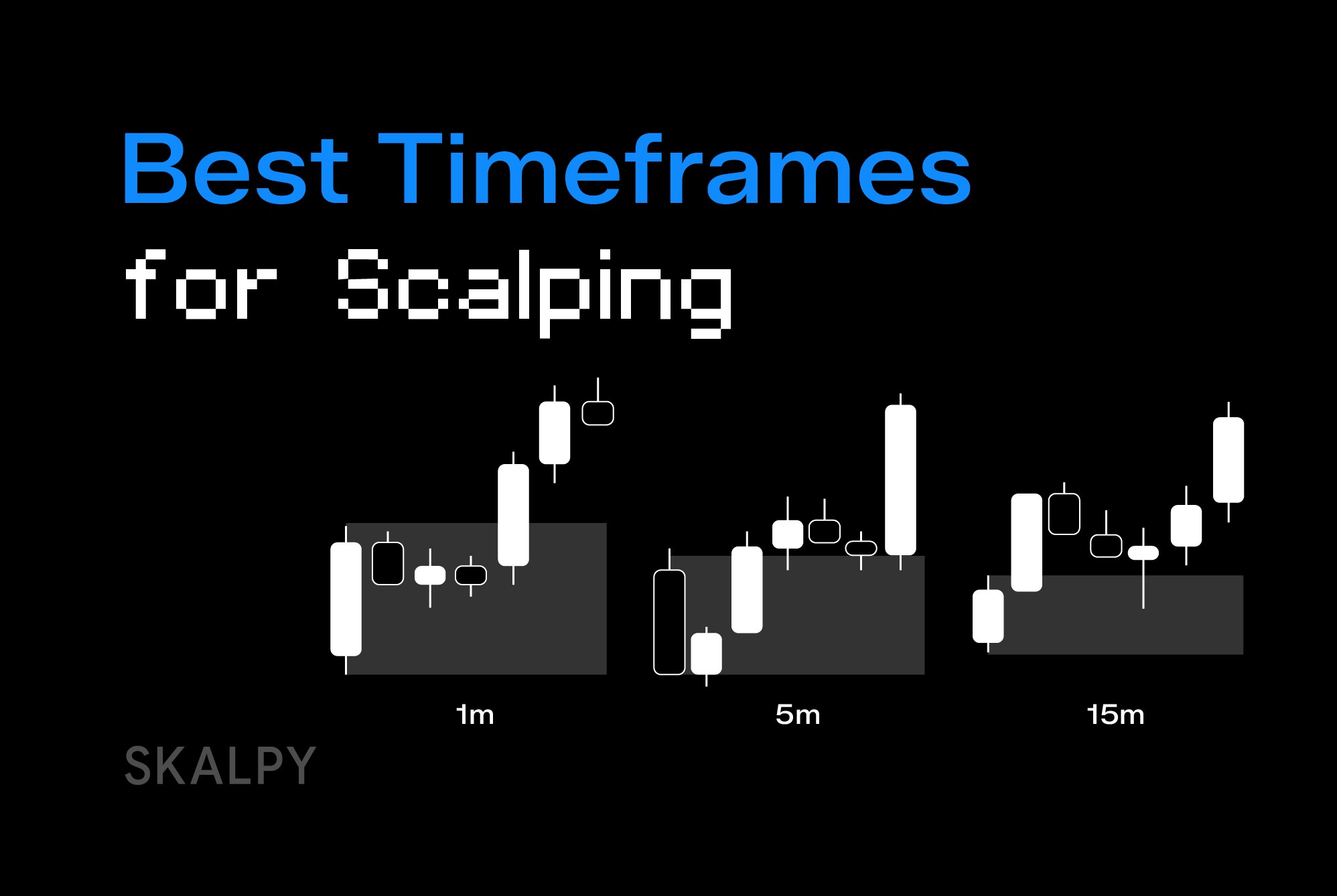
Timeframe selection is one of the most critical yet overlooked decisions in scalping. Choose too short a timeframe and you're trading noise. Choose too long and you're no longer scalping but day trading. The right timeframe matches your strategy, personality, and available focus while providing enough opportunities without overwhelming you.
Understanding how different timeframes behave and which works best for your specific approach can dramatically improve your scalping results and reduce unnecessary stress.
What Defines a Scalping Timeframe?
Scalping operates on very short holding periods, typically seconds to minutes. This distinguishes it from day trading (minutes to hours) and swing trading (hours to days).
Scalping timeframes generally range from 1-minute to 15-minute charts. Anything longer starts transitioning into day trading territory. The specific timeframe you choose within this range depends on your strategy, risk tolerance, and execution speed.
The 1-Minute Chart: Ultra-Fast Scalping
Characteristics
The 1-minute chart updates every 60 seconds, providing the fastest view of price action. Trades typically last 1-5 minutes with targets of 0.1-0.3% moves.
Advantages
Maximum trade frequency with 10-30+ setups per session possible. Quick feedback on whether trades work. Small stop losses due to tight price structure. Ideal for traders who thrive on constant action and can make rapid decisions.
Disadvantages
Extremely demanding mentally with no downtime. Higher noise-to-signal ratio makes false signals common. Transaction costs matter more due to high trade frequency. Requires lightning-fast execution where platforms like Skaply become essential for keeping up with pace.
Slippage and spread costs can quickly eliminate profits if not trading highly liquid pairs during optimal hours.
Best For
Experienced scalpers with excellent focus, fast decision-making, and deep understanding of price action. Not recommended for beginners due to the mental demands and execution requirements.
Ideal Assets
Only BTC/USDT and ETH/USDT during peak liquidity hours. Lower-tier assets don't have sufficient liquidity for reliable 1-minute scalping.
The 3-Minute Chart: Fast Scalping with Breathing Room
Characteristics
The 3-minute chart provides a middle ground between 1-minute chaos and 5-minute slower pace. Trades last 3-10 minutes targeting 0.2-0.4% moves.
Advantages
Still offers high trade frequency (8-20 setups per session) but with more time to analyze. Less noise than 1-minute charts while maintaining scalping speed. Slightly larger stops and targets reduce impact of slippage.
Disadvantages
Requires staying focused for extended periods. Still demanding mentally, though less extreme than 1-minute. Transaction costs remain significant factor in profitability.
Best For
Scalpers who find 1-minute too fast but 5-minute too slow. Good transition timeframe for those moving from 5-minute to faster scalping.
Ideal Assets
BTC/USDT, ETH/USDT, and major altcoins (SOL, XRP, ADA) during active trading hours.
The 5-Minute Chart: The Sweet Spot
Characteristics
The 5-minute chart is the most popular scalping timeframe and for good reason. Trades last 5-15 minutes targeting 0.3-0.6% moves. It balances opportunity frequency with analytical time.
Advantages
Enough time to properly analyze setups without rushing. Lower noise-to-signal ratio improves setup quality. Sufficient trade frequency (5-15 setups per session) for scalping. Transaction costs are more manageable as percentage of profit targets.
Technical patterns like support, resistance, and trendlines work reliably at this timeframe. You can apply indicators effectively without excessive false signals.
Disadvantages
Fewer opportunities than faster timeframes. Requires patience waiting for quality setups. Larger stops needed compared to 1-minute scalping.
Best For
Most scalpers, especially those new to the strategy. Offers the best balance of opportunity, analysis time, and manageable execution demands. This is the recommended starting point for learning scalping.
Ideal Assets
All major crypto pairs work well. BTC/USDT and ETH/USDT are ideal, but you can successfully scalp top 20 altcoins during peak hours.
The 15-Minute Chart: Slow Scalping
Characteristics
The 15-minute chart sits at the edge of scalping, bordering on day trading. Trades last 15-45 minutes targeting 0.5-1% moves.
Advantages
Cleanest price action with minimal noise. Technical analysis most reliable at this timeframe. Plenty of time to analyze and execute without pressure. Lower trade frequency (3-8 setups per session) reduces mental fatigue.
Transaction costs become smaller percentage of profits. Wider stops and targets make slippage less impactful.
Disadvantages
Fewer trading opportunities. Longer holding periods increase exposure to unexpected moves. Larger stops required mean larger potential losses per trade. Some traders find it too slow to qualify as scalping.
Best For
Traders who want scalping-style tactics but prefer slower pace. Good for part-time traders who can't watch screens constantly. Works well for combining with other timeframes.
Ideal Assets
All liquid crypto assets work at this timeframe. Even mid-cap altcoins become tradable here due to longer holding periods smoothing out liquidity issues.
Multi-Timeframe Approach
Many successful scalpers don't use a single timeframe but combine multiple for context and execution.
Higher Timeframe for Direction
Use a higher timeframe (15-minute or 1-hour) to determine market direction and bias. If the 1-hour chart shows an uptrend, focus on long setups on your faster scalping timeframe.
This prevents fighting the larger trend, which significantly improves win rate.
Lower Timeframe for Entry
Execute on your primary scalping timeframe (3-minute or 5-minute typically) but only in the direction indicated by the higher timeframe.
For example, the 15-minute chart shows Bitcoin in an uptrend. You watch the 5-minute chart for pullbacks to support, entering longs when price bounces. This combines the clarity of higher timeframes with the precision of lower timeframes.
Even Higher Timeframe for Context
Some scalpers also check daily or 4-hour charts for major support, resistance, and overall market structure. This prevents being blindsided by approaching major levels that don't show clearly on short timeframes.
Matching Timeframe to Your Personality
If You Thrive on Action
Choose 1-minute or 3-minute charts. These provide constant stimulation and rapid feedback. You need excellent focus and fast decision-making.
If You Prefer Thoughtful Analysis
Choose 5-minute or 15-minute charts. These give you time to analyze properly without rushing decisions. You sacrifice some frequency for quality.
If You're Part-Time
Choose 15-minute charts or the slower end of 5-minute scalping. You can step away briefly without missing every setup. Longer timeframes are more forgiving of interruptions.
If You're Learning
Start with 5-minute charts. They're fast enough to be genuinely scalping but slow enough to learn without being overwhelmed. Master this before attempting faster timeframes.
Timeframe and Market Conditions
Optimal timeframe can change based on current market conditions.
High Volatility
During extreme volatility, shift to longer timeframes. If you normally scalp 3-minute charts but volatility spikes, moving to 5-minute or 15-minute gives setups more room to breathe and reduces stop-outs from noise.
Low Volatility
In very quiet markets, shorter timeframes may not produce enough movement for profitable scalps. Either shift to slightly longer timeframes or wait for volatility to return.
Trending Markets
Strong trends work on all timeframes but may be most profitable on slightly longer ones (5-15 minute) where you can ride trends further rather than scalping tiny pieces.
Ranging Markets
Range-bound conditions often work better on shorter timeframes (1-3 minute) where you can scalp bounces off range boundaries multiple times.
Common Timeframe Mistakes
Jumping Between Timeframes Randomly
Switching timeframes based on recent results creates inconsistency. If 5-minute stopped working yesterday, switching to 3-minute today prevents your edge from manifesting. Stick with one primary timeframe long enough to evaluate it properly.
Using Too Many Timeframes
Checking six different timeframes before each trade creates analysis paralysis. Use maximum three: one higher for direction, one for execution, and optionally one even higher for context.
Choosing Timeframe Based on Impatience
Don't choose 1-minute charts because you're impatient and want constant action. Choose based on what your strategy needs and what you can execute effectively.
Ignoring Your Natural Rhythm
Some people naturally operate better at faster pace, others at slower. Fight your natural rhythm and trading becomes unnecessarily stressful. Choose a timeframe that matches how you naturally process information and make decisions.
Testing Your Optimal Timeframe
Paper Trade on Different Timeframes
Spend one week paper trading on 1-minute, one week on 3-minute, one week on 5-minute, and one week on 15-minute. Track performance and note which felt most natural.
Measure Stress Levels
Which timeframe left you feeling energized versus drained? The right timeframe should be demanding but not exhausting.
Compare Results
After testing each timeframe, compare win rates, average profit/loss, and consistency. Your best timeframe should show solid performance without destroying your mental state.
The Bottom Line
There's no universally "best" timeframe for scalping. The right answer depends on your personality, experience level, available focus, and trading style.
Most scalpers find their sweet spot on 5-minute charts, which balance opportunity with analysis time. Beginners should start here and only move to faster timeframes after demonstrating consistent profitability.
Experienced scalpers comfortable with rapid decisions might prefer 1-3 minute charts for maximum trade frequency. Those wanting a calmer pace might prefer 15-minute charts at the edge of scalping territory.
Test different timeframes systematically. Choose based on performance and comfort, not ego or impatience. Master one timeframe completely before experimenting with others. The best timeframe is the one where you can execute your strategy consistently and profitably without excessive stress.
Your timeframe choice is a fundamental parameter that affects every other aspect of your scalping. Choose wisely, commit fully, and give it enough time to prove itself before making changes.
Scalping
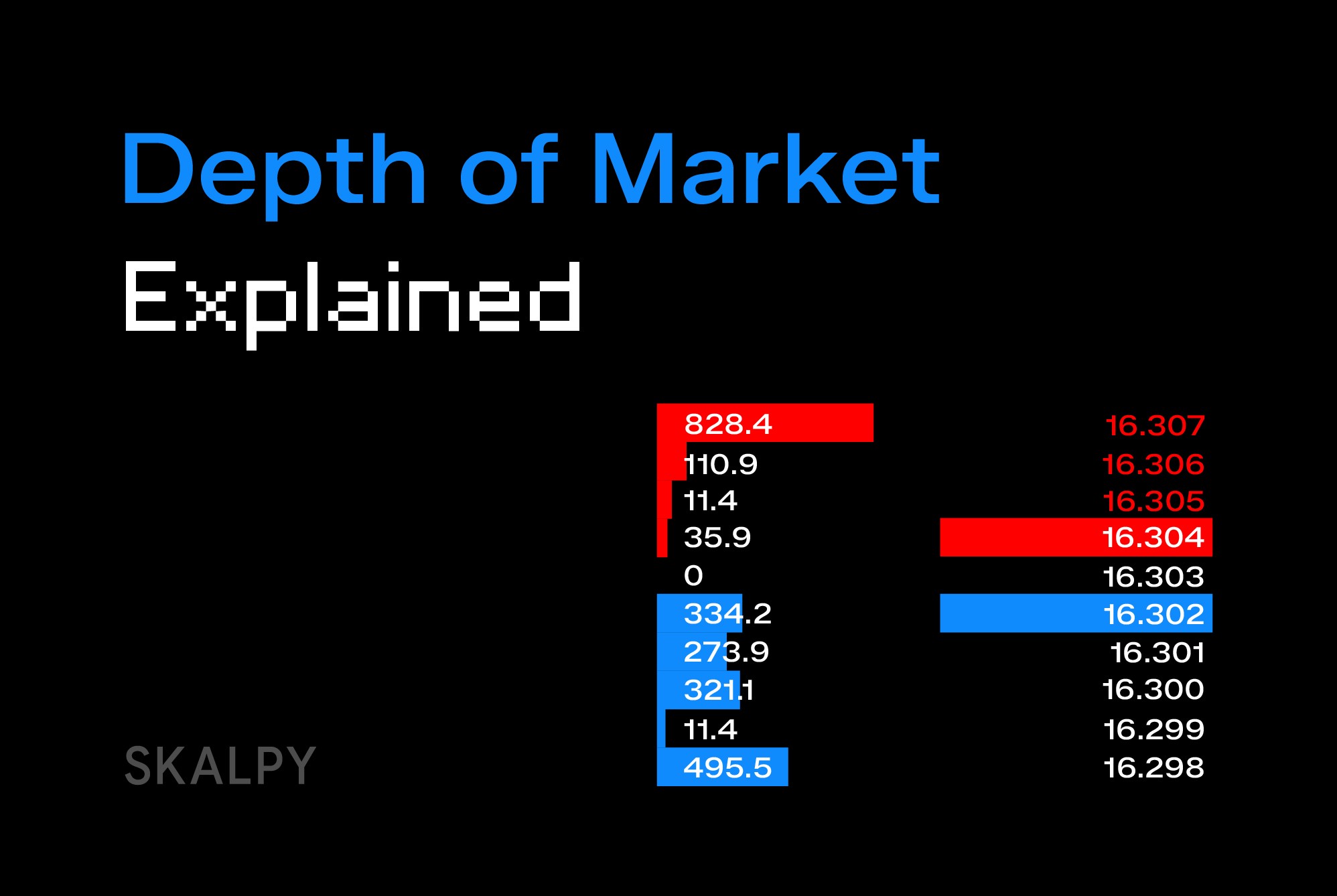
What Is the DOM in Trading? How to Read Depth of Market Like a Pro
Learn how to read Depth of Market (DOM) in trading. Understand order books, bid-ask walls, and liquidity levels to make smarter trading decisions in stocks, futures, and crypto markets.
Trading
Bid and Ask Price Explained: Understanding the Spread in Trading
Learn what bid and ask prices mean in trading, how the spread affects your costs, and why understanding these basics is crucial for profitable trading in stocks, forex, and crypto markets.

Scalping
Choosing the Right Crypto Assets for Scalping Success
Learn how to select the best cryptocurrencies for scalping based on liquidity, volatility, spreads, and volume to maximize your scalping profitability.