

Not all cryptocurrencies are suitable for scalping. The difference between profitable and unprofitable scalping often comes down to asset selection more than strategy or skill. Trading the wrong assets guarantees failure regardless of how good your entries are.
Scalping requires specific market conditions that only certain crypto assets provide consistently. Understanding what makes an asset scalpable and how to identify these characteristics prevents wasting time and capital on unsuitable markets.
Why Asset Selection Matters for Scalping
Scalping targets small, frequent profits. This strategy demands:
Tight bid-ask spreads so transaction costs don't eliminate profits
High liquidity so orders fill instantly without slippage
Sufficient volatility to create frequent trading opportunities
Consistent volume so conditions remain stable throughout your session
Assets lacking any of these characteristics make scalping extremely difficult or impossible. You might execute perfect strategy on an illiquid altcoin and still lose money due to spreads and slippage consuming your profits.
The Five Critical Criteria
1. High Trading Volume
Volume is the foundation of scalpable assets. High volume indicates many participants actively buying and selling, which creates the liquidity and price movement scalpers need.
What Qualifies as High Volume?
For crypto scalping, look for assets with minimum $500 million in 24-hour trading volume, preferably $1 billion or more. Bitcoin and Ethereum regularly exceed $20-30 billion daily, making them ideal.
Check volume across multiple exchanges. An asset might show decent volume on one exchange but be illiquid elsewhere. Focus on where the actual liquidity exists.
Volume Consistency
Volume should be consistent, not sporadic. An asset with $2 billion volume one day but $200 million the next creates unreliable conditions. Consistent volume means consistent scalping conditions.
2. Tight Bid-Ask Spreads
The spread is your immediate transaction cost. Every time you enter and exit, you pay the spread. For scalpers targeting $20-50 profits per trade, wide spreads are devastating.
Acceptable Spread Ranges
For major pairs like BTC/USDT and ETH/USDT on top exchanges, spreads should be 0.01-0.03% or roughly $3-10 on Bitcoin at $30,000. Spreads over 0.1% make scalping difficult. Spreads over 0.5% make it nearly impossible.
Calculate spread as percentage: (Ask - Bid) / Ask × 100
If Bitcoin ask is $30,010 and bid is $30,000, spread is $10 / $30,010 × 100 = 0.033%
Spread Stability
Spreads should remain relatively stable throughout your trading session. If spreads are tight during peak hours but widen dramatically during quiet periods, adjust your trading schedule accordingly.
Platforms like Skaply connect to exchanges offering consistently tight spreads on major pairs, recognizing that spread quality directly determines scalping viability.
3. Sufficient Liquidity Depth
Volume tells you how much is trading, but liquidity depth shows how much is available at each price level. Deep order books mean your orders fill without moving price.
Checking Order Book Depth
Examine the order book. For scalping, you want substantial buy and sell orders within 0.1-0.2% of current price. If Bitcoin is at $30,000, there should be significant liquidity between $29,970-$30,030.
Thin order books mean even modest orders cause slippage. Your 0.5 BTC order might need to consume multiple price levels to fill completely, resulting in poor average entry price.
Exchange Matters
The same asset shows dramatically different liquidity across exchanges. BTC/USDT on Binance offers far superior depth to BTC/USDT on a small exchange. Trade where liquidity is deepest.
4. Appropriate Volatility
Scalping needs volatility to create opportunities, but not so much that risk becomes unmanageable.
Measuring Volatility
Use Average True Range (ATR) to measure volatility. For scalping on 5-minute charts, an ATR between 0.15-0.5% of price is ideal. Too low and opportunities are scarce. Too high and stops get hit constantly.
Bitcoin with ATR of $100-150 on 5-minute charts provides good scalping conditions. An altcoin with $5 ATR might be too quiet. Another with $500 ATR might be too chaotic.
Volatility Consistency
Like volume, volatility should be relatively consistent. Assets that are calm for days then suddenly spike 20% create unreliable scalping conditions.
5. Market Hours Behavior
Some assets show consistent activity 24/7 while others have dead periods. For scalping, you need assets that maintain reasonable conditions during your intended trading hours.
Testing Different Sessions
Monitor your chosen asset during your planned trading times. Does volume hold up? Do spreads remain tight? Is volatility sufficient?
Major pairs like BTC/USDT and ETH/USDT maintain acceptable conditions during U.S. and European hours but may slow during late Asian sessions. Smaller assets might only be tradable during a narrow window.
Top Tier Scalping Assets
These assets consistently meet all criteria and are suitable for most scalping strategies:
Bitcoin (BTC/USDT, BTC/USDC)
The king of crypto offers exceptional liquidity, tight spreads, and sufficient volatility. Bitcoin is scalpable on all major exchanges during all sessions, though conditions are best during Western business hours.
Daily volume regularly exceeds $20-30 billion. Spreads on Binance and Coinbase stay under 0.02%. Order books are deep. This is the default choice for crypto scalping.
Ethereum (ETH/USDT, ETH/USDC)
The second-largest crypto provides similar conditions to Bitcoin. Volume of $10-20 billion daily, tight spreads, and deep liquidity make Ethereum highly scalpable.
Ethereum often shows slightly more volatility than Bitcoin, creating more frequent setups while remaining manageable.
Major Altcoins During Active Hours
Assets like Solana (SOL), Ripple (XRP), Cardano (ADA), and other top-10 cryptos can be scalpable during peak liquidity hours on major exchanges. However, they require more caution than BTC/ETH.
Check current conditions before scalping these. Volume and spreads can vary significantly day to day.
Second Tier Assets (Use With Caution)
Mid-Cap Altcoins (Top 20-50)
These can work for scalping during specific conditions but require careful verification. Check that volume exceeds $200-500 million, spreads stay under 0.1%, and liquidity is adequate for your position sizes.
Only scalp these during peak hours and be prepared to stop if conditions deteriorate.
Trending Tokens
When specific tokens are trending due to news or developments, they temporarily become scalpable due to elevated volume and volatility. However, these conditions don't last. What's scalpable today may be dead tomorrow.
If scalping trending tokens, recognize you're trading temporary conditions. Have an exit plan for when volume dries up.
Assets to Avoid for Scalping
Low-Cap Altcoins
Tokens outside the top 100 by market cap rarely provide consistent scalping conditions. Volume is too low, spreads too wide, liquidity too thin. Even if you execute perfect strategy, execution costs eliminate profits.
Newly Listed Tokens
Brand new listings show extreme volatility and thin liquidity. While tempting due to large movements, slippage and spread costs make scalping impractical. Wait for markets to mature before considering scalping.
Memcoins and Hype Tokens
Assets driven purely by social media hype show unreliable volume and manipulated price action. These are gambling vehicles, not scalpable markets.
Tokens With Single Exchange Liquidity
If an asset only has volume on one small exchange, it's not suitable for scalping. You need multiple venues with deep liquidity.
Testing Assets Before Committing
Before scalping a new asset with real capital, test it:
Paper Trade First
Execute your strategy on paper for at least one full session. Track your theoretical performance including realistic spread and slippage costs. If paper trading isn't profitable, real trading won't be either.
Start Small
When moving to real money, start with minimum position sizes. Verify that actual execution matches your expectations. Real slippage and spreads may differ from what you observed.
Monitor Execution Quality
Track your average spread cost and slippage over 20-30 trades. If these costs exceed 0.1% per round trip, the asset may not support your scalping profitably.
Adapting to Changing Conditions
Asset suitability changes over time. What's scalpable this month might not be next month.
Regular Reassessment
Monthly, review your chosen assets. Has volume declined? Have spreads widened? Is volatility still appropriate? If conditions have deteriorated, find alternatives.
Multiple Asset Options
Don't rely on a single asset. Develop the ability to scalp 3-5 different pairs so you can shift to whichever offers best current conditions.
Market Cycle Awareness
During bull markets, more assets become scalpable as overall volume and volatility increase. During bear markets or consolidation periods, the number of viable scalping assets shrinks. Adapt your asset selection to current market cycle.
Exchange Selection for Scalping
Where you trade matters as much as what you trade.
Prioritize Top Exchanges
Binance, Coinbase, Kraken, and OKX typically offer the best combination of volume, spreads, and execution quality. Even for the same asset, these exchanges provide superior conditions to smaller platforms.
Compare Execution Quality
Test the same strategy on different exchanges. You may find one exchange consistently provides better fills, tighter spreads, or faster execution for your chosen asset.
Consider Fee Structures
Maker-taker fee models impact scalping profitability. If you're using limit orders (maker), lower maker fees improve results. If using market orders (taker), taker fees matter more.
The Bottom Line
Choosing the right assets is half the battle in scalping. Perfect strategy on the wrong asset fails. Mediocre strategy on the right asset can succeed.
Start with Bitcoin and Ethereum. These provide the most reliable scalping conditions for beginners. Once you're consistently profitable on these majors, consider expanding to selected altcoins during peak liquidity periods.
Always verify that assets meet the five critical criteria: high volume, tight spreads, sufficient liquidity depth, appropriate volatility, and consistent behavior during your trading hours. Test new assets on paper before risking capital. Monitor execution quality continuously and be ready to shift to better alternatives when conditions change.
Asset selection isn't exciting, but it's fundamental. The flashiest strategy means nothing if the underlying asset can't support profitable execution. Choose wisely, and you've dramatically increased your probability of scalping success.
Scalping
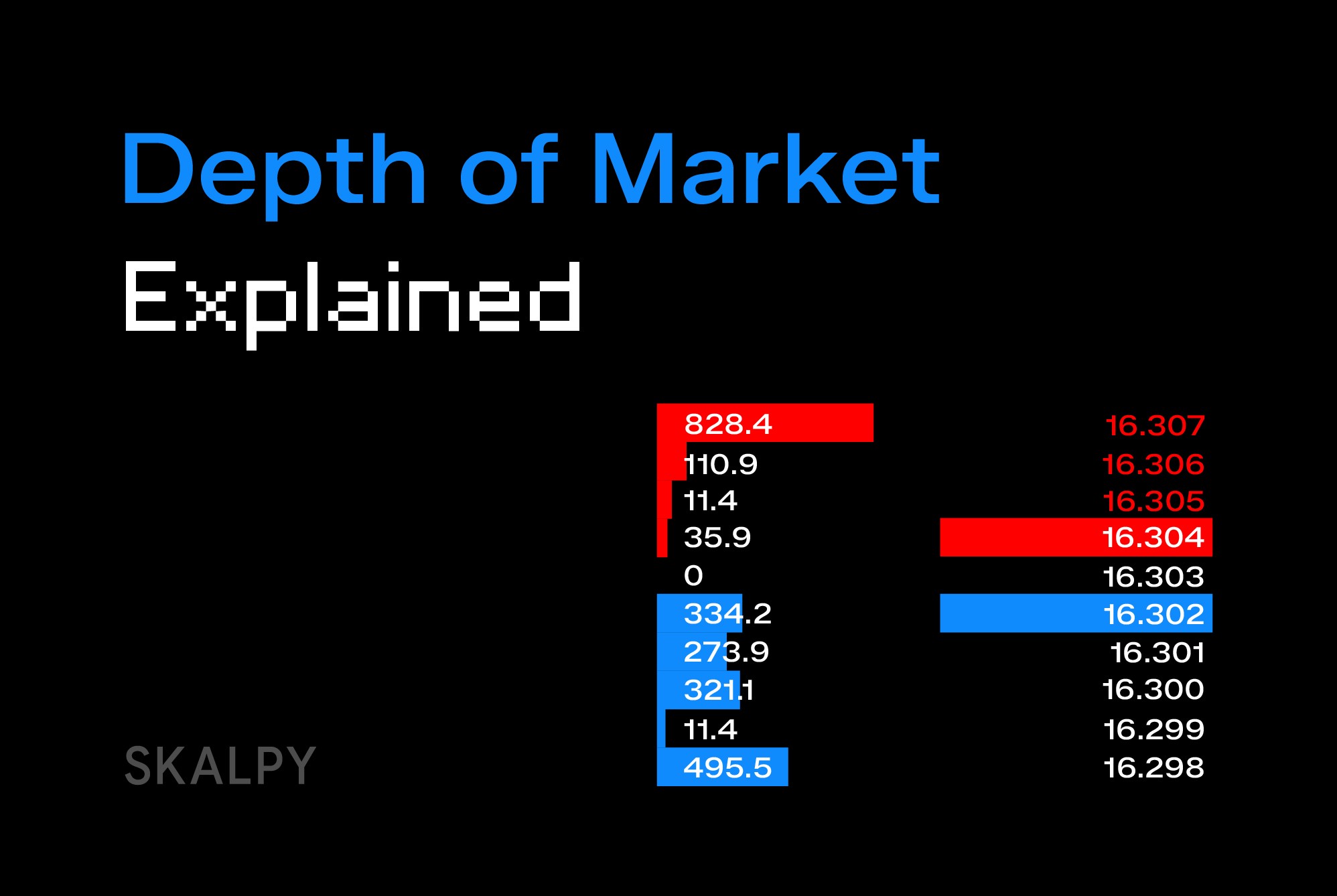
What Is the DOM in Trading? How to Read Depth of Market Like a Pro
Learn how to read Depth of Market (DOM) in trading. Understand order books, bid-ask walls, and liquidity levels to make smarter trading decisions in stocks, futures, and crypto markets.
Trading
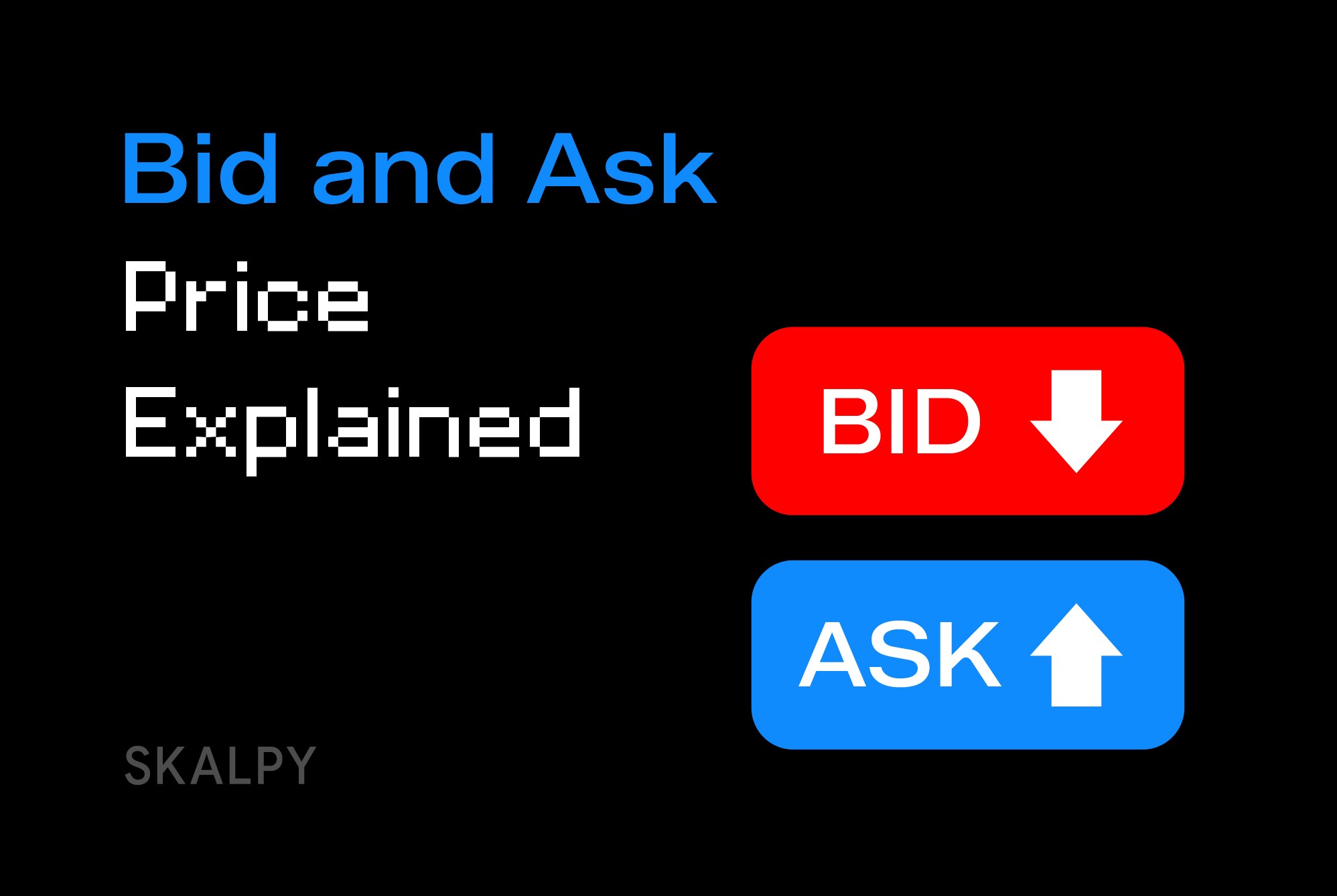
Bid and Ask Price Explained: Understanding the Spread in Trading
Learn what bid and ask prices mean in trading, how the spread affects your costs, and why understanding these basics is crucial for profitable trading in stocks, forex, and crypto markets.
Scalping
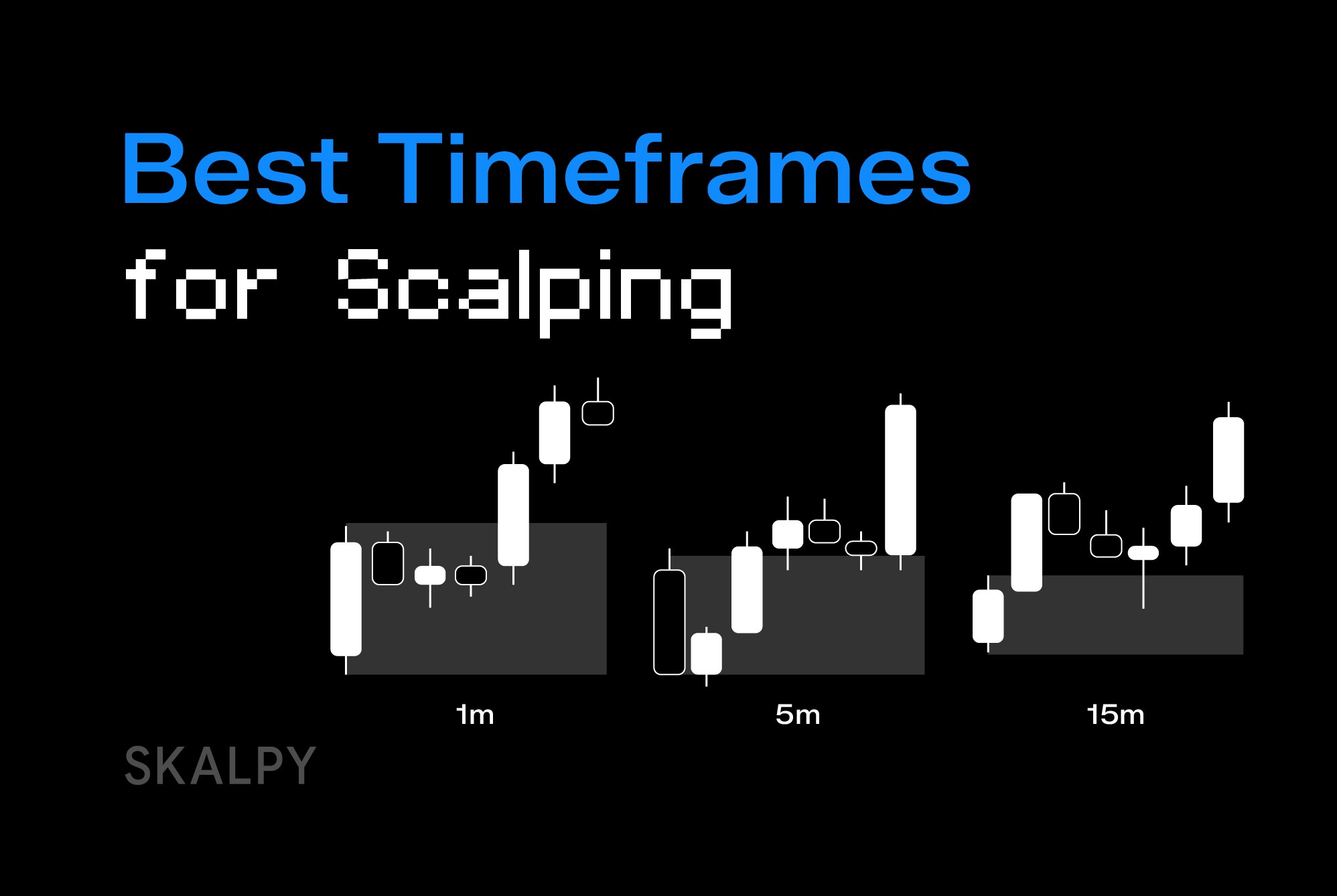
Which Timeframes Work Best for Crypto Scalping?
Discover the optimal timeframes for crypto scalping, from 1-minute to 15-minute charts, and learn how to choose timeframes that match your trading style.