Understanding Bid and Ask Prices
Every time you open a trading platform, you see two prices displayed for each asset: the bid and the ask. These aren't random numbers, they represent the current state of supply and demand in the market. Understanding these prices is fundamental to trading success, whether you're dealing with stocks, forex, or cryptocurrencies.
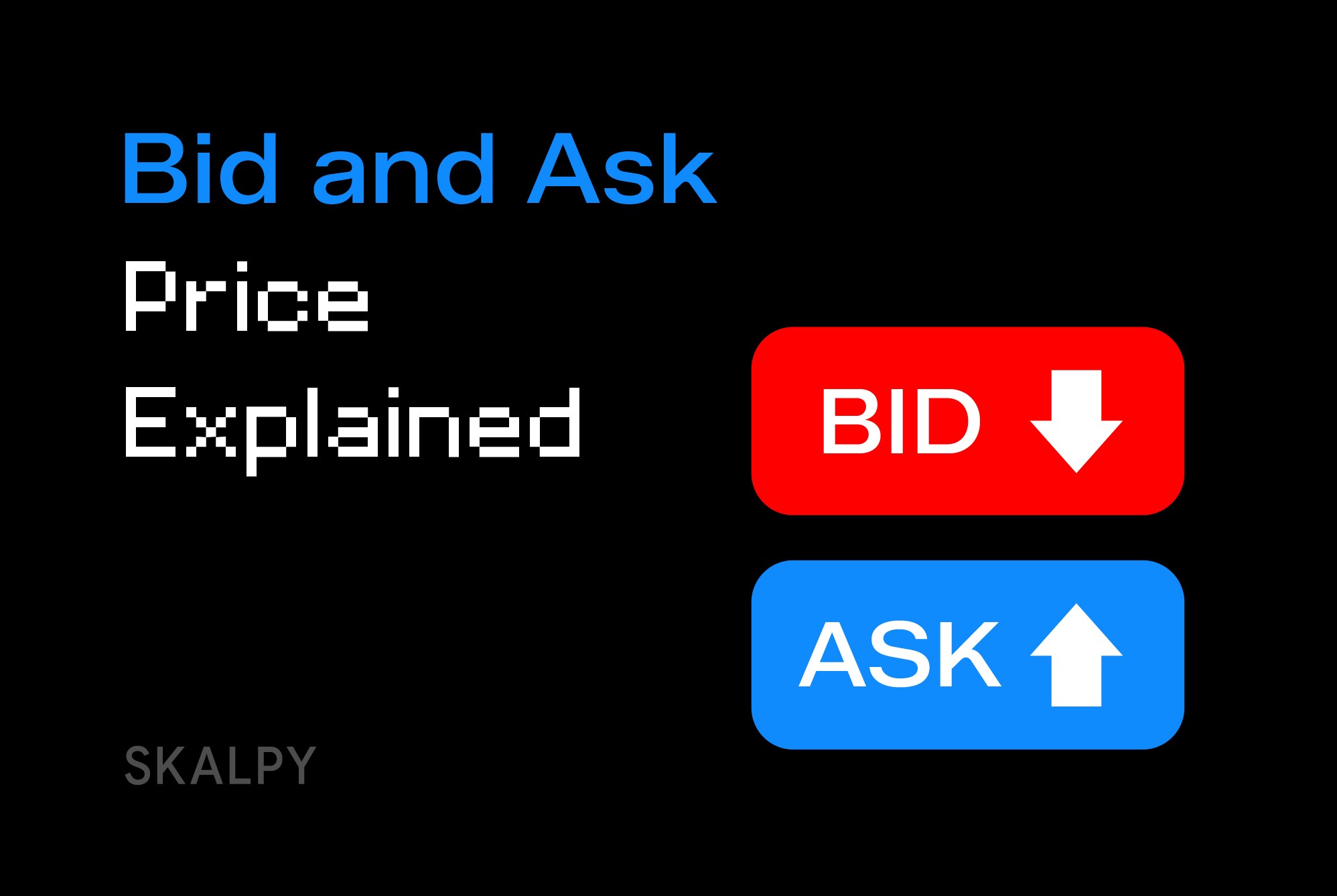
The bid price is the highest amount a buyer is currently willing to pay for an asset. Think of it as the price you'll receive when selling. The ask price (sometimes called the offer price) is the lowest amount a seller is willing to accept. This is the price you'll pay when buying.
Here's the key insight: you always buy at the ask price and sell at the bid price. This means there's an immediate built-in cost to every trade, known as the spread.
What Is the Spread?
The spread is simply the difference between the ask and bid prices. It represents one of the core transaction costs in trading, and understanding it can significantly impact your profitability.
For example, if Bitcoin is quoted at $43,500 / $43,515, the bid is $43,500 and the ask is $43,515. The spread here is $15. If you buy Bitcoin and immediately sell it without any price movement, you'd lose $15 per coin just from the spread.
Why the Spread Matters
The spread serves as a liquidity indicator and directly affects your trading costs. A narrow spread typically signals:
High trading volume
Strong market liquidity
Lower transaction costs
More efficient price discovery
Conversely, a wide spread often indicates:
Low liquidity
Fewer market participants
Higher volatility
Increased trading costs
For active traders and scalpers, the spread is crucial. When you're making multiple trades per day, even small spreads add up quickly. This is where platforms like Skaply, a fast cross-platform crypto trading terminal, become valuable. They provide clear spread visibility and quick execution, helping traders minimize costs across multiple exchanges.
Real-World Examples
Let's break down how bid and ask prices work in practice:
Example 1: Stock Trading
Apple stock is quoted at $174.50 / $174.55.
You want to buy 100 shares: You pay $174.55 per share = $17,455
You want to sell 100 shares: You receive $174.50 per share = $17,450
The spread costs you $5 on this trade
Example 2: Forex Trading
EUR/USD is quoted at 1.0850 / 1.0852.
The spread is 2 pips (0.0002)
This tight spread reflects the high liquidity of major currency pairs
On a standard lot (100,000 units), this spread costs $20
Example 3: Cryptocurrency
Ethereum is quoted at $2,445 / $2,450.
The spread is $5
Higher volatility in crypto often means wider spreads
During major news events, spreads can widen dramatically
The Used Car Analogy
A simple way to understand bid and ask prices is to think of a used car dealer. When you sell your car to the dealer, they offer you $15,000 (this is like the bid price). Later, they put that same car on their lot for $17,000 (this is like the ask price). The $2,000 difference is their profit margin, similar to how the spread works in financial markets.
The dealer takes on risk by holding inventory, just as market makers do in trading. They profit from the spread as compensation for providing liquidity and taking that risk.
Factors That Affect the Spread
Several factors influence how wide or narrow the spread becomes:
Trading Volume Higher volume generally means tighter spreads. Major stocks like Apple or Microsoft typically have spreads of just a few cents because millions of shares trade daily. Meanwhile, small-cap stocks with limited volume might have spreads of several percentage points.
Market Volatility During calm markets, spreads tend to be narrow. But when volatility spikes, such as during major news announcements or economic crises, spreads can widen dramatically as uncertainty increases.
Time of Day In stock markets, spreads are typically tightest during peak trading hours (10am to 3pm ET) and wider at market open and close. Cryptocurrency markets, which trade 24/7, show varying spreads based on global trading activity.
Asset Type Major forex pairs like EUR/USD have extremely tight spreads (often less than 1 pip). Exotic pairs might have spreads 100 times wider. Similarly, large-cap stocks have tighter spreads than small-cap stocks.
Practical Trading Strategies
Understanding bid and ask prices should inform your trading approach:
Use Limit Orders Instead of market orders that execute at the current ask (when buying) or bid (when selling), limit orders let you specify your price. You might place a buy limit order between the bid and ask, potentially getting filled at a better price than the ask.
Consider Spread Costs in Your Strategy Day traders and scalpers need especially tight spreads to be profitable. If you're paying a $10 spread on every round trip trade and making 20 trades per day, that's $200 in spread costs alone. Make sure your strategy accounts for this.
Monitor Spread Changes Widening spreads can signal changing market conditions. If a normally liquid asset suddenly shows a wide spread, it might indicate upcoming volatility or reduced liquidity, both important factors in risk management.
Choose Your Timing Trade during high-liquidity periods when spreads are tighter. For U.S. stocks, this means during regular market hours. For crypto, this often means when major markets (U.S. and Europe) overlap.
For traders who need to monitor spreads across multiple exchanges and execute trades quickly, specialized platforms make a difference. Skaply offers real-time spread tracking and fast execution across various crypto exchanges, helping active traders minimize their transaction costs.
Common Misconceptions
"The spread is a fee charged by my broker": Not exactly. While brokers may add a markup to spreads, the spread itself exists naturally in the market due to the difference between buyers' and sellers' prices. Market makers profit from facilitating trades at these prices.
"I should always use market orders for fast execution": Market orders guarantee execution but not price. You'll always pay the ask when buying and receive the bid when selling. Limit orders give you price control, though they risk not being filled.
"Tight spreads mean I should trade more": While tight spreads reduce costs, they don't eliminate risk. Your trading strategy should be based on market analysis and opportunity, not just spread width.
The Bottom Line
Bid and ask prices form the foundation of how markets function. The bid represents what buyers will pay, the ask represents what sellers will accept, and the spread between them represents an immediate cost to traders.
Smart traders always factor spread costs into their strategies. They seek liquid markets with tight spreads, time their trades during high-volume periods, and use order types that give them more control over execution prices.
Whether you're trading stocks, forex, or cryptocurrencies, understanding the bid-ask spread helps you make more informed decisions and manage your trading costs effectively. It's not the most exciting aspect of trading, but mastering these basics separates successful traders from those who struggle.
For active crypto traders, using platforms like Skaply with transparent spread visibility and quick execution capabilities can help you trade more efficiently and keep your transaction costs as low as possible across multiple markets.
Remember: every trade starts with the spread. Make it work for you, not against you.
Scalping
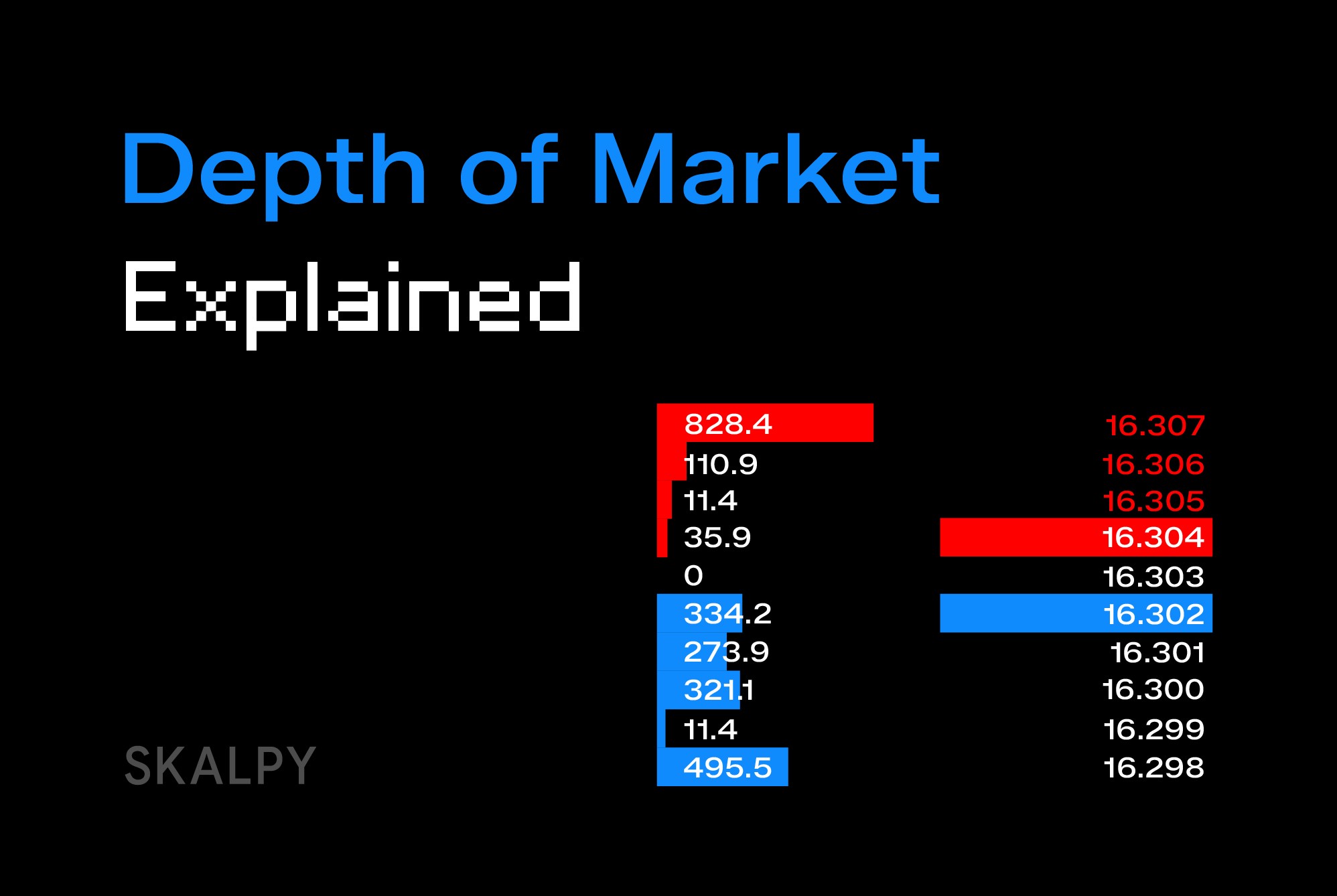
What Is the DOM in Trading? How to Read Depth of Market Like a Pro
Learn how to read Depth of Market (DOM) in trading. Understand order books, bid-ask walls, and liquidity levels to make smarter trading decisions in stocks, futures, and crypto markets.
Scalping
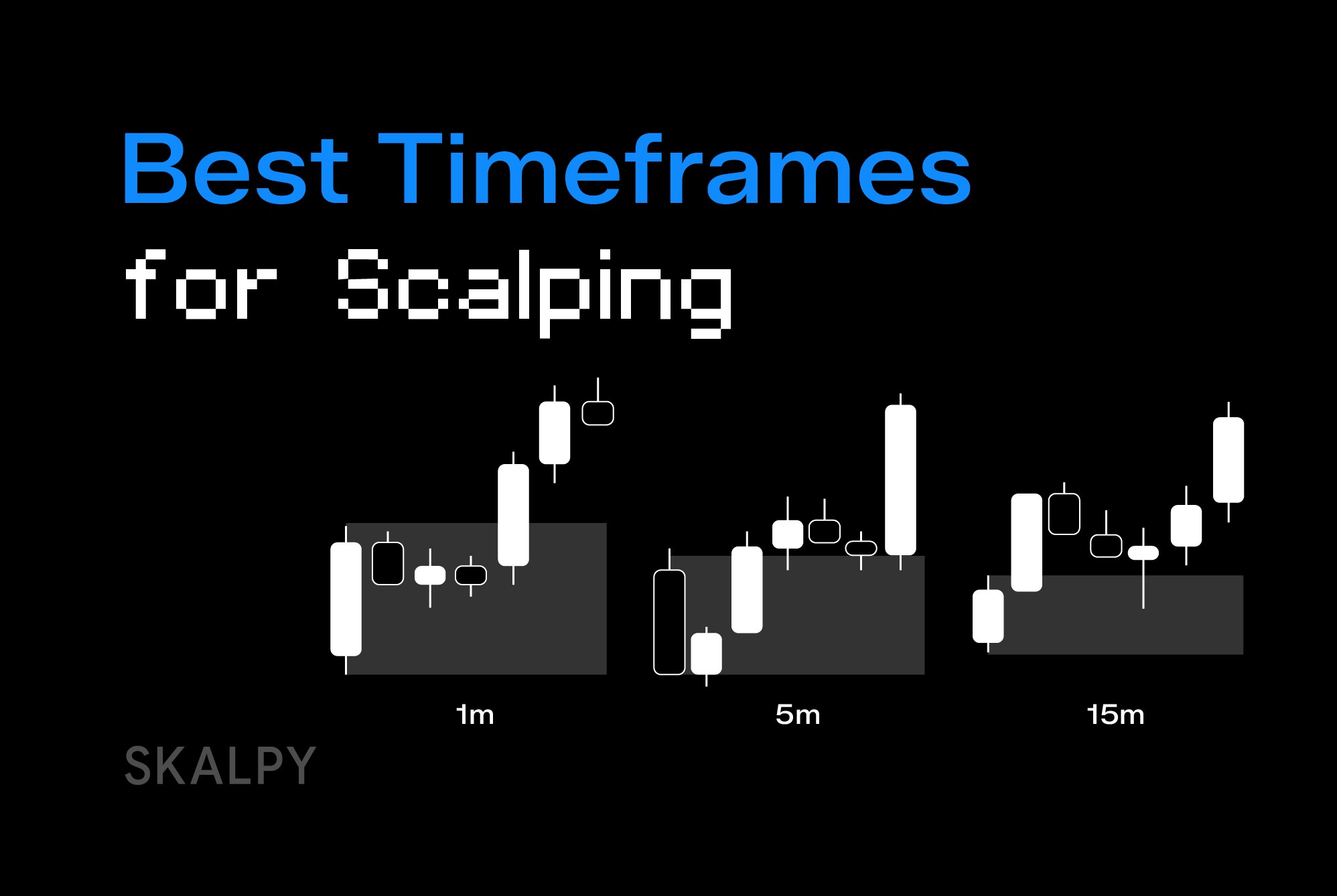
Which Timeframes Work Best for Crypto Scalping?
Discover the optimal timeframes for crypto scalping, from 1-minute to 15-minute charts, and learn how to choose timeframes that match your trading style.
Scalping
Choosing the Right Crypto Assets for Scalping Success
Learn how to select the best cryptocurrencies for scalping based on liquidity, volatility, spreads, and volume to maximize your scalping profitability.