Technical Analysis
Volume Analysis: Your Essential Guide to Reading Market Signals
Jan 10, 2026
written by:

Introduction
Every successful trader knows that price charts only tell half the story. The missing piece? Volume data, the heartbeat of the market that reveals who's actually in control. Whether you're just starting out or looking to sharpen your technical analysis skills, understanding volume can transform how you read market movements.
What Volume Really Tells You
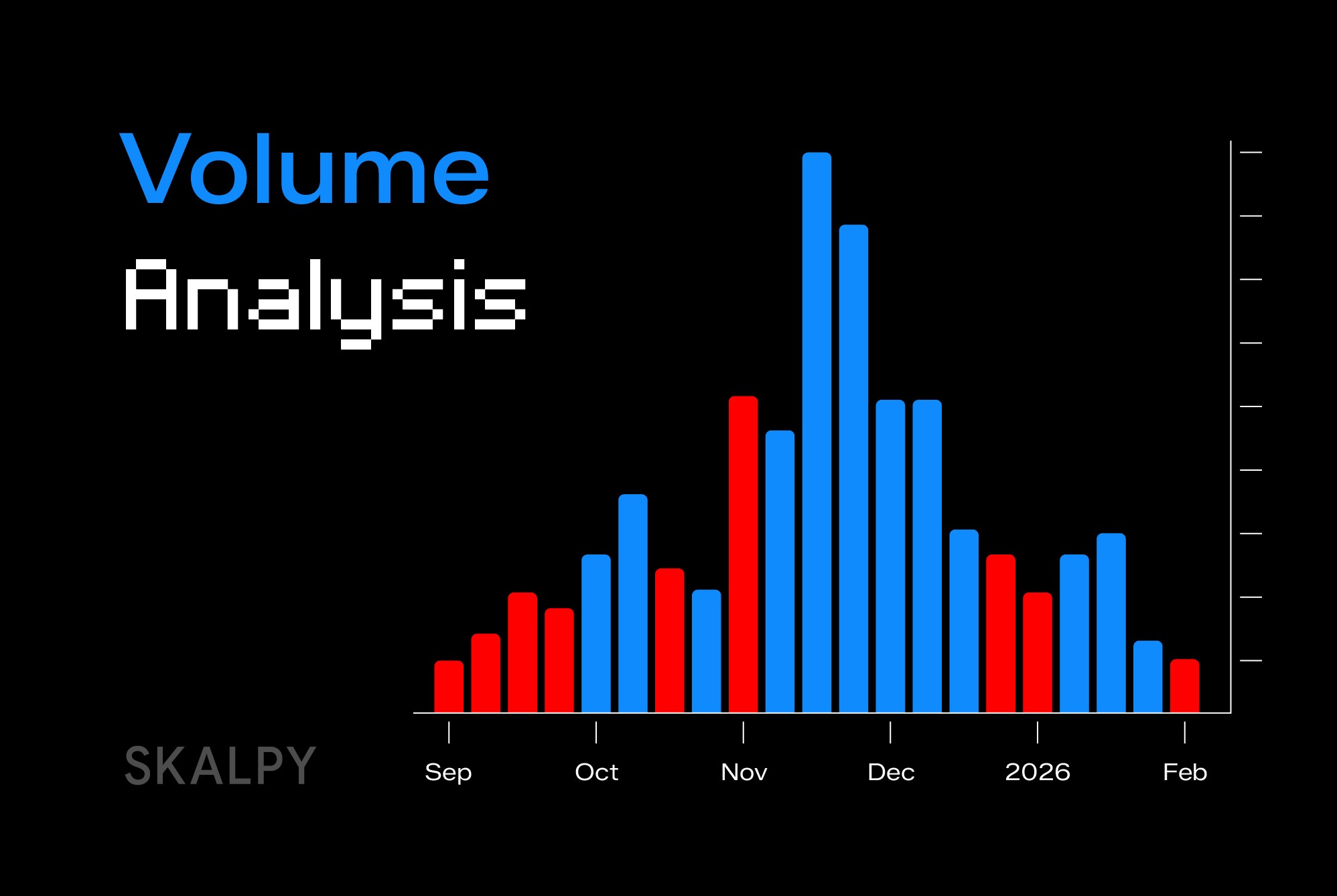
Think of volume as the market's intensity meter. It measures how many coins or tokens change hands during a specific time period. High volume means lots of action, traders are engaged, positions are being opened and closed, and real money is moving. Low volume is when things get quiet, interest fades, and price movements become less reliable.
Here's why this matters: a price surge backed by massive volume carries weight because it shows conviction. A price jump on thin volume, on the other hand, is like a car running on fumes. It might move forward, but it will not get far.
For traders looking to act on these insights quickly and efficiently, platforms like Skaply, a fast cross-platform trading terminal built for scalpers and active traders, make it easier to monitor volume patterns in real time and execute trades at the right moment.
The Volume-Price Relationship
Understanding how volume interacts with price gives you a window into market psychology. Let’s break down the key patterns.
When prices climb alongside increasing volume, you are observing a healthy uptrend. Buyers are stepping in with confidence, and the rally has momentum behind it. This combination suggests the trend has strength.
Conversely, when prices drop while volume surges, sellers are taking control. This bearish pattern indicates strong selling pressure that can push prices even lower.
Things become more interesting when price moves while volume declines. In these cases, the trend is losing momentum. A price increase with declining volume lacks buyer support and acts as a warning sign that the uptrend may reverse. Similarly, falling prices on decreasing volume suggest that sellers are losing interest.
Spotting Breakouts with Volume
Volume spikes are like flares shot into the trading sky, they demand attention. These sudden surges often occur when price breaks through important support or resistance levels and signal that something meaningful is happening.
Picture this: Bitcoin has been stuck below $30,000 for weeks. Suddenly, volume explodes as the price pushes through that level. This is not random noise. It confirms that buyers have committed to pushing higher and signals that a genuine breakout is underway.
The opposite applies as well. If a cryptocurrency breaks below a support level on heavy volume, the move is validated. Traders interpret this as a bearish signal and adjust their positions accordingly.
Volume Indicators That Actually Work
Several tools can help you interpret volume more systematically:
On-Balance Volume (OBV) tracks cumulative buying and selling pressure by adding volume on up days and subtracting it on down days. When OBV trends upward alongside price, it confirms bullish momentum. When OBV diverges from price, for example when price rises but OBV falls, it signals potential weakness.
Volume Moving Average smooths out the noise by showing average volume over a set period. When current volume jumps above this average, it signals heightened interest that could precede significant price action.
Volume-Price Trend (VPT) combines both metrics to visualize buying and selling pressure, moving in sync with the dominant force in the market.
Practical Trading Strategies
Here's how to put volume analysis to work:
Always verify major price moves with volume. A cryptocurrency shooting up 10% on massive volume deserves your attention. The same move on minimal volume? Probably a head-fake.
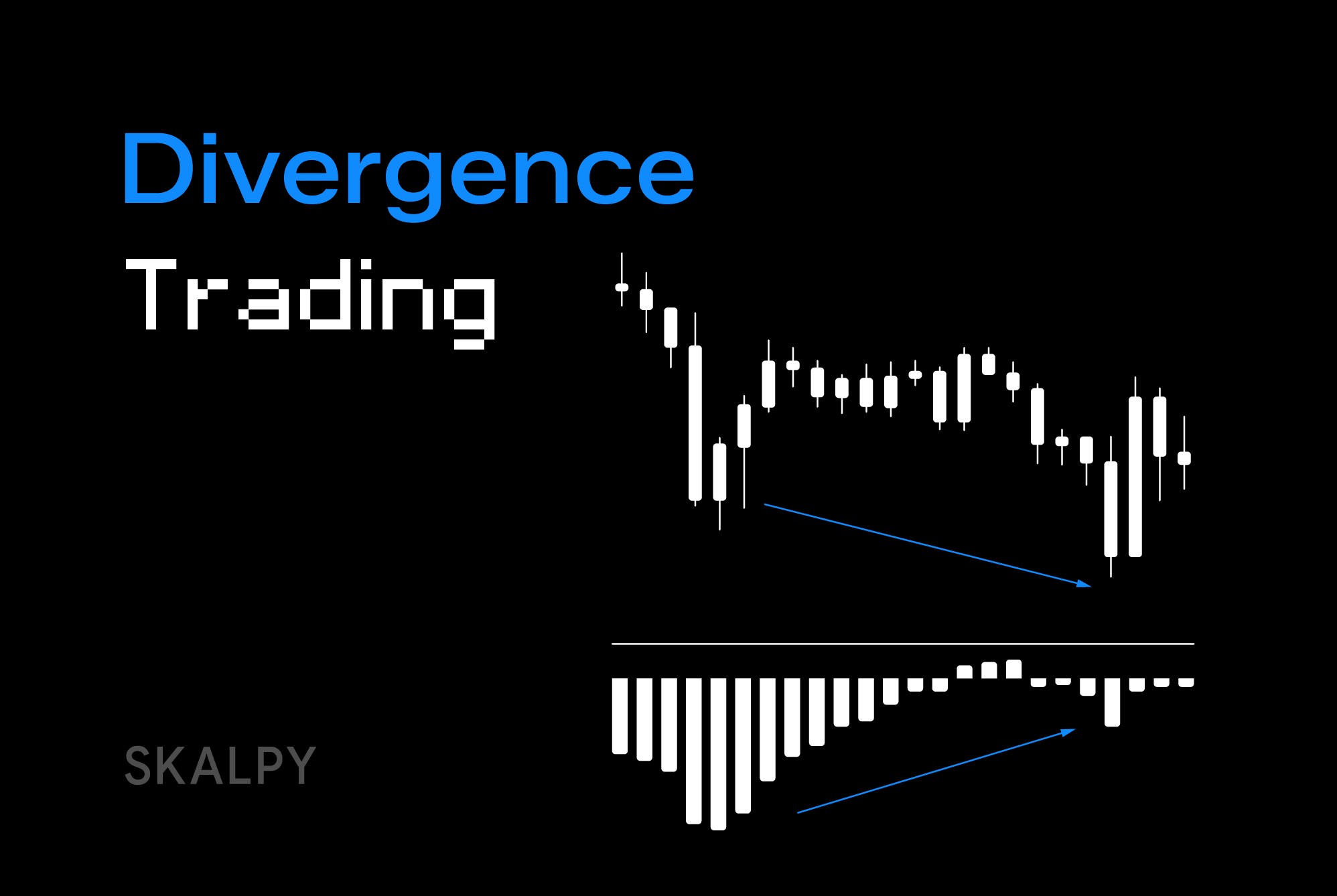
Watch for divergence when price and volume tell different stories. Ethereum may be rallying, but if volume continues to decline, the uptrend is fragile. Experienced traders prepare for reversals when they notice this mismatch.
Pay special attention to volume at critical support and resistance zones. High volume at these levels indicates strong conviction and makes the level more significant. Low volume? The level might break easily.
If you're actively trading these setups, having quick execution is crucial. Tools like Skaply give you the speed advantage needed to capitalize on volume-driven opportunities before the market moves away.
What Beginners Get Wrong
Even with volume on your side, avoid these traps:
Don't trade low-volume cryptocurrencies expecting reliable signals. Thin markets produce erratic movements that can fool even volume analysis.
Do not rely on volume alone. It is most effective when combined with price action, trend analysis, and additional indicators. On its own, it provides an incomplete picture.
Not every volume spike means something. Major news events or large institutional trades can create temporary surges that don't reflect genuine market direction. Always consider the context.
Building Your Volume Analysis Skills
Volume analysis isn't something you master overnight, but it's absolutely worth the effort. Start by watching how volume behaves during different market conditions. Compare quiet trading days to volatile ones. Observe what happens at breakout points. Notice how volume precedes major moves.
The more you practice identifying these patterns across timeframes and assets, the sharper your market intuition becomes. Volume does not predict the future, but it helps you understand what is happening in the present, which is often enough to trade more effectively.
Remember: successful trading combines multiple tools and perspectives. Volume analysis is one powerful piece of that puzzle, especially when you have the right platform to act on your insights. Whether you're scalping quick moves or building longer-term positions, understanding market volume gives you an edge that pure price analysis simply can't match.