Spoofing is a trading tactic where large orders are placed in the order book with no intention of executing them. The goal is to create the illusion of strong buying or selling pressure and influence other traders' behavior.
Once the market reacts, the spoofing orders are quickly canceled.
What Is Spoofing?
In spoofing, a trader places large limit orders to manipulate market perception.
Example:
A trader places a massive sell wall above the current price, making it look like strong resistance exists.
Other traders may start selling, expecting price to fall.
Once price moves downward, the spoofing trader cancels the fake order.
Why Traders Use Spoofing
To manipulate market sentiment
To create artificial support or resistance
To trigger other traders' orders
Spoofing attempts to influence price without actually executing large trades.
Signs of Spoofing
Large orders that appear suddenly in the order book
Orders that disappear quickly when price approaches
Repeated placement and cancellation of large orders
These patterns can indicate manipulative activity.
Spoofing and Market Transparency
Many exchanges monitor spoofing because it can distort market behavior.
However, detecting spoofing in real time can be difficult.
Platforms like Skalpy help traders observe order book changes and real-time trade activity, allowing them to identify suspicious patterns that may indicate spoofing.

Trading
Beating Analysis Paralysis: How to Survive Information Overload in Crypto Scalping
Overcome analysis paralysis in crypto trading. Learn how to filter market noise, streamline your workspace, and focus purely on order flow execution.
Scalping
Beyond PnL: Building a Professional Scalper's Trading Journal
Discover why a trading journal is the ultimate edge for crypto scalpers. Learn how to track market microstructure, analyze execution, and use professional data to eliminate systemic leaks.
Trading
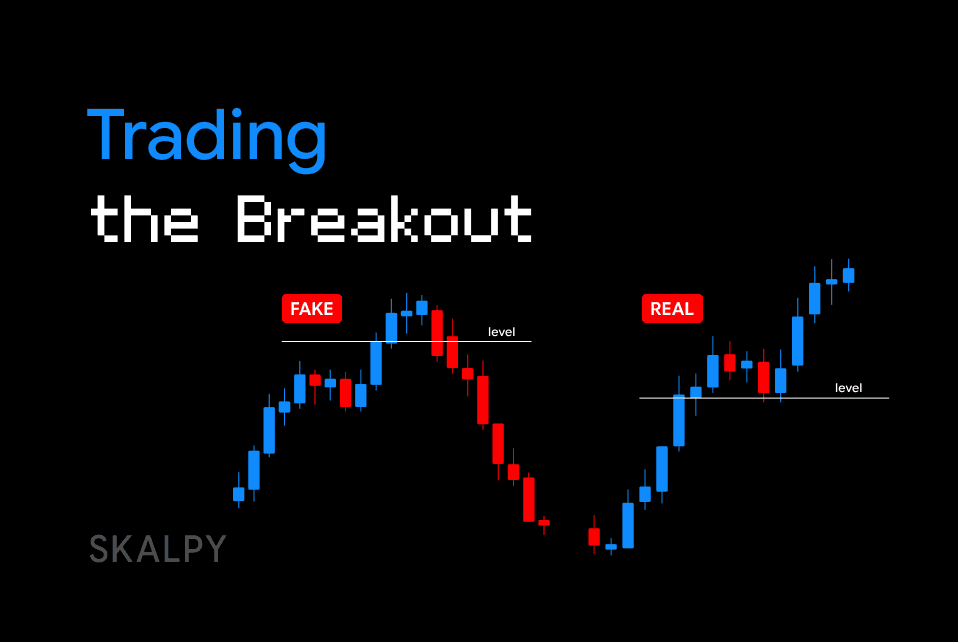
Trading the Breakout: How to Filter False Breakouts Using Order Book Data
Improve your breakout strategy by understanding market microstructure. Learn how order flow, absorption, and DOM data can help filter false breakouts.