
A liquidity sweep occurs when price quickly moves through an area where many stop-loss orders are placed, triggering those orders before reversing direction.
This behavior is common in liquid markets and is often mistaken for a breakout.
What Is a Liquidity Sweep?
Liquidity sweeps target areas where many traders place stop orders.
When price reaches those levels, the triggered stops generate a surge of market orders.
Example:
If many traders place stop-loss orders below support, price may briefly drop below that level, trigger the stops, and then quickly rebound upward.
This process removes liquidity from the market.
Why Liquidity Sweeps Happen
Large traders need liquidity to execute big positions.
Stop-loss orders provide instant liquidity because they become market orders once triggered.
Sweeping these stops allows large players to enter trades with minimal slippage.
Signs of a Liquidity Sweep
Fast price movement through a key level
Sudden spike in trading volume
Quick reversal after the sweep
These patterns often occur near important technical levels.
Liquidity Sweeps in Scalping
Scalpers sometimes trade liquidity sweeps by waiting for the stop-triggering move and entering after the market stabilizes.
This strategy relies on quick execution and strong awareness of market liquidity.
Real-time tools like Skalpy allow traders to observe order flow and liquidity changes, helping them identify potential sweep scenarios and react instantly.

Trading
Beating Analysis Paralysis: How to Survive Information Overload in Crypto Scalping
Overcome analysis paralysis in crypto trading. Learn how to filter market noise, streamline your workspace, and focus purely on order flow execution.
Scalping
Beyond PnL: Building a Professional Scalper's Trading Journal
Discover why a trading journal is the ultimate edge for crypto scalpers. Learn how to track market microstructure, analyze execution, and use professional data to eliminate systemic leaks.
Trading
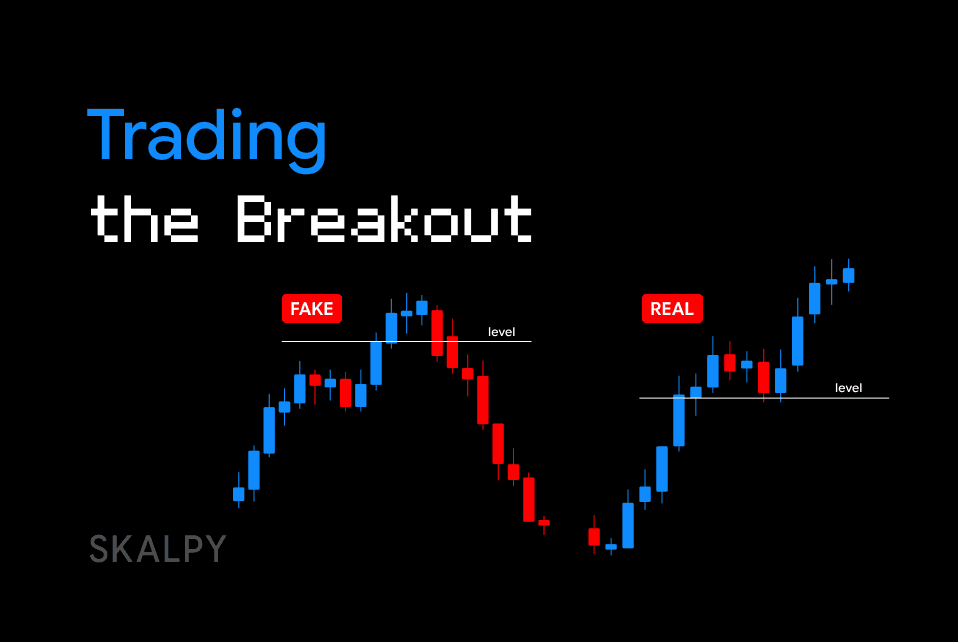
Trading the Breakout: How to Filter False Breakouts Using Order Book Data
Improve your breakout strategy by understanding market microstructure. Learn how order flow, absorption, and DOM data can help filter false breakouts.