
A liquidity pool is a price area where many orders are concentrated. These areas often form around important technical levels such as support, resistance, previous highs, or previous lows.
Large traders frequently target liquidity pools when entering or exiting positions.
What Is a Liquidity Pool?
Liquidity pools form where many traders place orders.
Common examples include:
Stop-loss orders below support
Stop-loss orders above resistance
Pending breakout orders near key levels
These clusters create zones where large amounts of liquidity are available.
Why Liquidity Pools Matter
Large traders need liquidity: Institutions require significant volume to enter or exit positions.
Price seeks liquidity: Markets often move toward areas where large numbers of orders exist.
They explain sudden price spikes: When liquidity pools are triggered, price can move quickly.
Common Liquidity Pool Locations
Above recent highs
Below recent lows
Around strong support or resistance
Near round numbers
These areas often attract price movement.
Liquidity Pools in Scalping
Scalpers track liquidity pools to anticipate potential volatility and breakout opportunities.
When price approaches these zones, traders often prepare for rapid movement.
Tools like Skalpy allow traders to monitor liquidity levels and order book depth in real time, helping them identify where liquidity pools may exist.

Trading
Beating Analysis Paralysis: How to Survive Information Overload in Crypto Scalping
Overcome analysis paralysis in crypto trading. Learn how to filter market noise, streamline your workspace, and focus purely on order flow execution.
Scalping
Beyond PnL: Building a Professional Scalper's Trading Journal
Discover why a trading journal is the ultimate edge for crypto scalpers. Learn how to track market microstructure, analyze execution, and use professional data to eliminate systemic leaks.
Trading
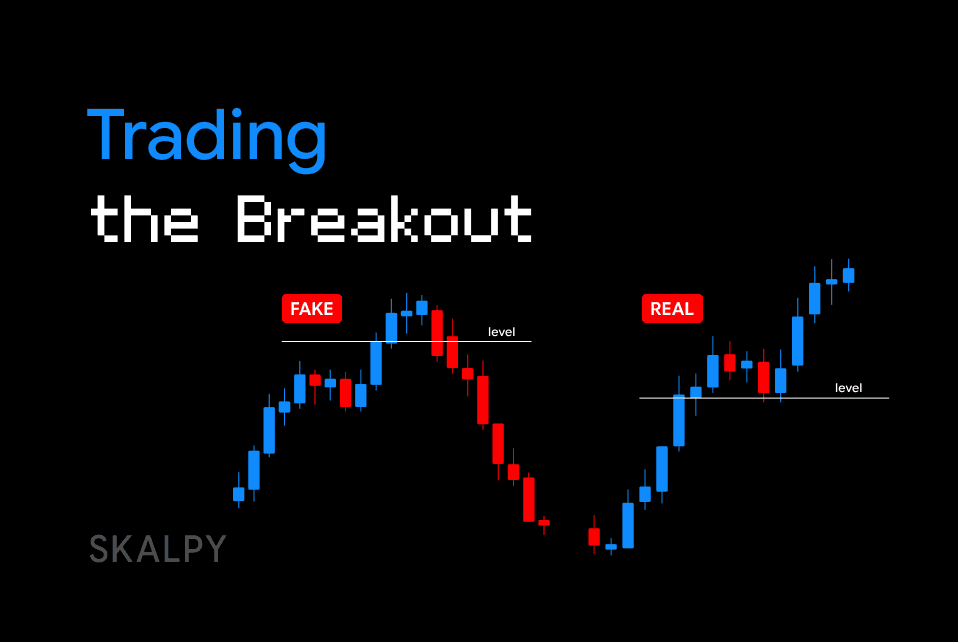
Trading the Breakout: How to Filter False Breakouts Using Order Book Data
Improve your breakout strategy by understanding market microstructure. Learn how order flow, absorption, and DOM data can help filter false breakouts.