
The bid-ask spread is the gap between the highest price buyers offer and the lowest price sellers accept. It's not just a number on the screen. It's a real cost you pay every time you enter or exit a position, and it directly affects your profitability.
What Is the Bid-Ask Spread?
Every market has two prices at any moment:
Bid: The highest price a buyer is willing to pay right now
Ask: The lowest price a seller is willing to accept right now
The difference between them is the spread.
Example: If Bitcoin shows a bid of $50,000 and an ask of $50,020, the spread is $20. That means if you buy at $50,020 and instantly sell, you lose $20 per coin before the price even moves.
Why the Spread Matters
It's a transaction cost: Every trade you make crosses the spread. Buy at the ask, sell at the bid. The spread is your cost of doing business, even before commissions.
It affects profitability: Scalpers and day traders who make dozens of trades per day lose money to the spread on every entry and exit. A $10 spread on 20 trades costs you $200, even if price doesn't move against you.
It signals liquidity: A tight spread means lots of buyers and sellers are active. A wide spread means the market is thin, and you'll pay more to get in or out quickly.
How to Calculate the Spread
Absolute spread: Simply subtract bid from ask.
Spread = Ask Price - Bid Price
Percentage spread: Shows the cost relative to price.
Percentage Spread = ((Ask - Bid) / Ask) × 100
Example: If a stock has a bid of $50 and an ask of $51, the spread is $1, or roughly 2% of the ask price. That's expensive. A liquid stock might have a spread of just $0.01, or 0.02%.
What Affects the Spread?
Liquidity: Popular assets like major currency pairs or large-cap stocks have narrow spreads because there are always buyers and sellers. Exotic pairs or small-cap stocks have wider spreads.
Volatility: When markets move fast, spreads widen. Market makers increase the gap to protect themselves from sudden price swings.
Trading volume: High volume tightens the spread. Low volume widens it. This is why spreads can explode during off-hours or news events.
Spreads in Different Markets
Forex: Major pairs like EUR/USD often have spreads of 1-2 pips. Exotic pairs can have spreads of 10-50 pips or more.
Stocks: Blue-chip stocks trade with spreads of $0.01. Penny stocks can have spreads of several cents, which is huge relative to their price.
Crypto: Bitcoin and Ethereum usually have tight spreads on major exchanges. Smaller altcoins can have spreads of 0.5% or more.
Why Market Makers Keep the Spread
Market makers profit from the spread. They buy at the bid and sell at the ask, pocketing the difference. In return, they provide liquidity and take on the risk that price moves against them before they can offload their position.
Without market makers, spreads would be much wider and trading much harder.
How to Minimize Spread Costs
Trade liquid assets: Stick to high-volume markets where spreads are naturally tight.
Avoid volatile times: Spreads widen during major news events and market opens. Wait for calmer conditions if possible.
Use limit orders: Instead of crossing the spread with a market order, place a limit order inside the spread and wait for it to fill.
Watch the order book: Tools like Skalpy show live bid and ask depth, so you can see exactly how tight or wide the spread is before placing your trade.
Scalping
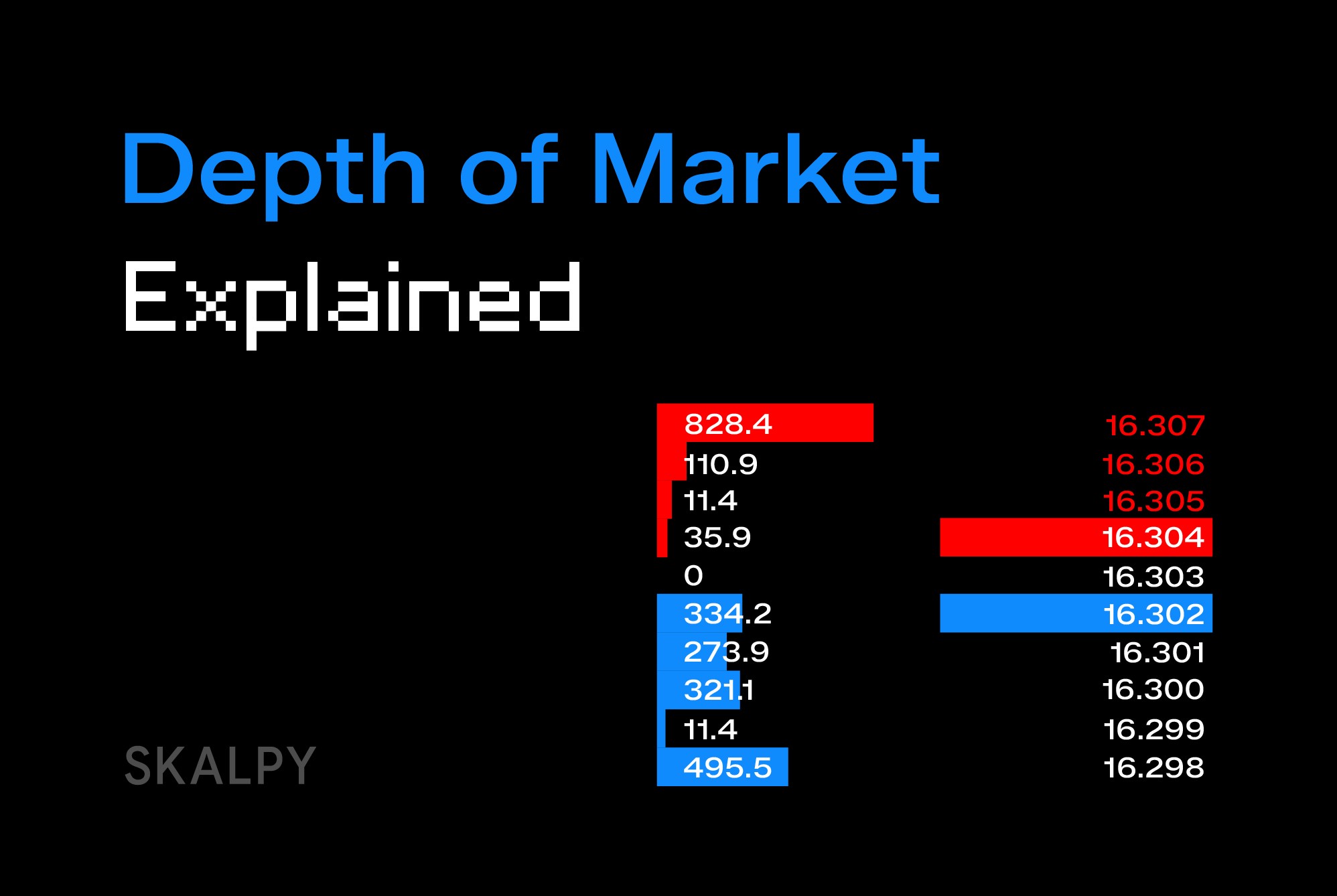
What Is the DOM in Trading? How to Read Depth of Market Like a Pro
Learn how to read Depth of Market (DOM) in trading. Understand order books, bid-ask walls, and liquidity levels to make smarter trading decisions in stocks, futures, and crypto markets.
Trading
Bid and Ask Price Explained: Understanding the Spread in Trading
Learn what bid and ask prices mean in trading, how the spread affects your costs, and why understanding these basics is crucial for profitable trading in stocks, forex, and crypto markets.
Scalping
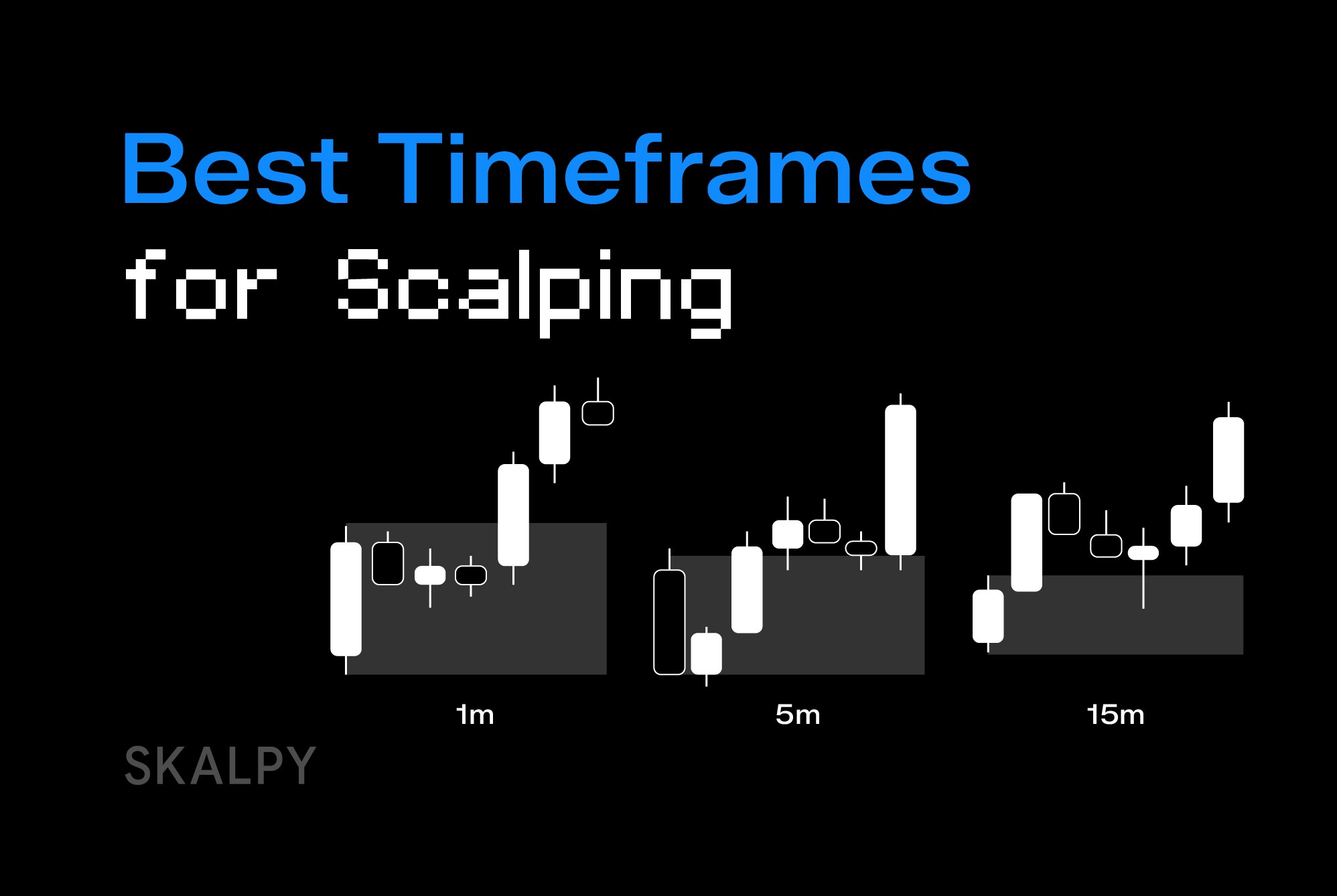
Which Timeframes Work Best for Crypto Scalping?
Discover the optimal timeframes for crypto scalping, from 1-minute to 15-minute charts, and learn how to choose timeframes that match your trading style.