
Order imbalance occurs when there are significantly more buyers than sellers, or more sellers than buyers, at a specific price level or within a short period of time.
This imbalance often signals strong directional pressure and can lead to rapid price movement.
What Is Order Imbalance?
Markets function through the interaction of buyers and sellers.
When both sides are balanced, price tends to move slowly. But when one side becomes dominant, price often moves quickly.
Example:
If a large number of aggressive buy orders enter the market while few sellers are willing to sell, price must rise to find new sellers.
This creates a bullish imbalance.
Types of Order Imbalance
Buy imbalance
More buying pressure than selling pressure.Sell imbalance
More selling pressure than buying pressure.Volume imbalance
Large differences in executed volume between buyers and sellers at certain price levels.
These imbalances often appear in order flow data and cluster charts.
Why Order Imbalance Matters
It reveals market pressure: Strong imbalances often precede price movement.
It helps confirm breakouts: A breakout supported by buying imbalance is more likely to continue.
It identifies exhaustion: When imbalance fades, the trend may weaken.
Using Order Imbalance in Trading
Scalpers frequently monitor imbalances to detect short-term opportunities.
A sudden surge of aggressive buying may indicate momentum. A strong sell imbalance may signal downward pressure.
Tools like Skalpy display order flow and cluster data in real time, helping traders identify imbalances and react quickly.

Trading
Beating Analysis Paralysis: How to Survive Information Overload in Crypto Scalping
Overcome analysis paralysis in crypto trading. Learn how to filter market noise, streamline your workspace, and focus purely on order flow execution.
Scalping
Beyond PnL: Building a Professional Scalper's Trading Journal
Discover why a trading journal is the ultimate edge for crypto scalpers. Learn how to track market microstructure, analyze execution, and use professional data to eliminate systemic leaks.
Trading
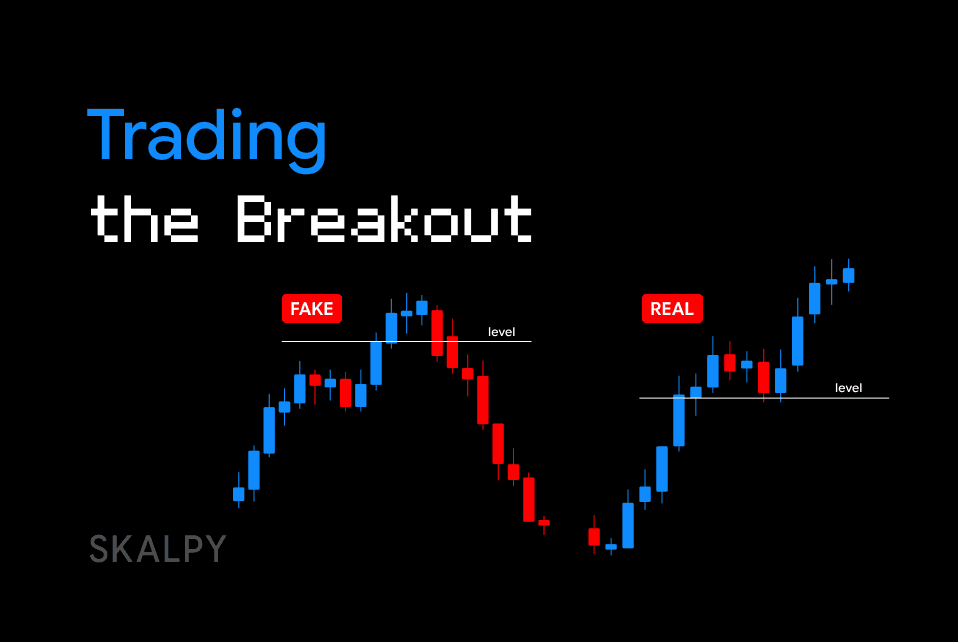
Trading the Breakout: How to Filter False Breakouts Using Order Book Data
Improve your breakout strategy by understanding market microstructure. Learn how order flow, absorption, and DOM data can help filter false breakouts.