Trading
Trading the Breakout: How to Filter False Breakouts Using Order Book Data
Jun 1, 2026
written by:

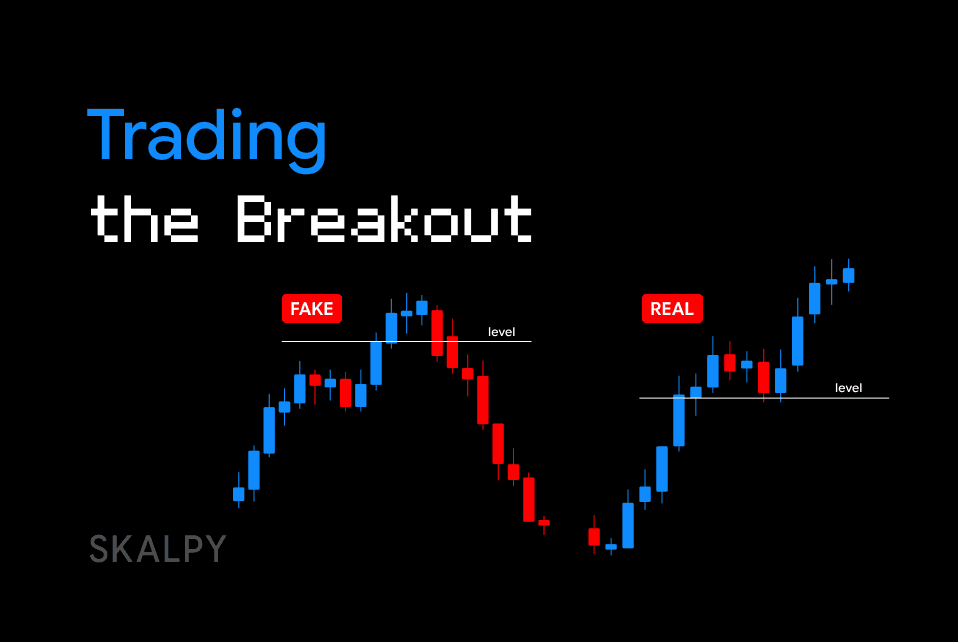
Breakout trading is a conceptually simple strategy that proves exceptionally difficult to execute in real-time. On historical charts, a breakout appears as a clear, decisive candle pushing through a key level. In live markets, however, the majority of these setups fail. A trader enters upon the break of resistance, the price stalls, and a sharp reversal follows, triggering stop-loss orders.
Relying solely on candlestick patterns leaves a trader vulnerable to these false breakouts. Candlesticks represent aggregated historical data, hiding the real-time interaction between buyers and sellers. To filter out low-probability setups, professional traders analyze market microstructure. By reading the order book (DOM) and the tape (Time and Sales), it becomes possible to distinguish a genuine shift in momentum from a temporary liquidity sweep.
The Mechanics of a Liquidity Sweep
False breakouts are rarely random. They are a byproduct of how large market participants execute size. Institutional traders and market makers cannot enter large positions using standard market orders, as the resulting slippage would ruin their average entry price.
They require counterparty liquidity. The areas immediately above major resistance levels and below major support levels are rich in this liquidity. These zones hold tight stop-loss orders from early sellers and buy-stop orders from breakout traders. By pushing the price slightly beyond the key level, larger participants trigger this cluster of automated orders. This sudden influx of buying provides the exact liquidity required for a large player to execute sell orders efficiently. Once their position is filled, the buying pressure dissipates, and the price reverts into the previous range.
Identifying a Genuine Breakout
A sustainable breakout requires significant market participation and an imbalance between supply and demand. It is an active process of order execution. Here are the three primary confirmations that tape readers look for in their order flow data.
1. Limit Order Absorption
Before a true breakout occurs, the price typically consolidates just below the resistance level. During this phase, order flow traders closely monitor the tape for absorption. This occurs when continuous market buy orders execute against the resting limit sell orders (the resistance), but the price does not reject downward. The buyers are systematically clearing the available supply. If the visible volume in the order book decreases while buying pressure remains constant, the level is highly vulnerable.
2. Velocity of Order Flow
The defining characteristic of a successful breakout is a sudden, extreme increase in the speed of the tape. As the level is breached, algorithmic execution and momentum traders enter the market simultaneously. This results in a rapid, continuous flow of executed market orders. If the price breaks a significant level but the tape remains slow and execution volume is low, the probability of a reversal is extremely high.
3. Bid Support Formation
Once a resistance level is broken, the market microstructure should shift to defend it as new support. By monitoring the Depth of Market, traders can observe new, substantial limit buy orders (bids) being placed below the current price as it advances. This incoming liquidity acts as a foundation, preventing the price from easily retracing. A breakout accompanied by an empty order book beneath the current price lacks institutional backing.
Filtering Market Noise
Recognizing Spoofed Orders: A common manipulation tactic involves placing exceptionally large limit buy orders just below the current price prior to a breakout. This creates an illusion of strong demand, which can encourage retail traders to enter early. Once the level is broken, the manipulator cancels these unexecuted orders and sells into the newly created liquidity. It is crucial to verify that volume is actually executing on the tape, rather than just resting in the DOM.
The Importance of Unaggregated Data: Conducting this level of analysis is practically impossible on standard web-based exchange interfaces. Web UI data is heavily aggregated and delayed, meaning the crucial shifts in momentum have already occurred by the time they render on a screen. Professional execution requires direct, unthrottled tick data. This is the primary advantage of using a dedicated terminal like Skalpy. It provides an ultra-low latency order book and a granular tape, allowing users to monitor absorption and order flow velocity precisely as it happens.
The Bottom Line
A chart provides the context, but order flow dictates the execution. Entering a breakout based entirely on a price alert or a closing candle carries inherent risks.
Experienced traders look for concrete evidence before risking capital. They search for absorption at the level, an acceleration in tape speed, and the formation of limit support after the break. If the underlying data does not confirm the price action, staying out of the market can help preserve capital for a superior setup. To access the data required for this analytical approach, download Skalpy and equip your workspace with professional-grade trading tools.

Trading
Beating Analysis Paralysis: How to Survive Information Overload in Crypto Scalping
Overcome analysis paralysis in crypto trading. Learn how to filter market noise, streamline your workspace, and focus purely on order flow execution.
Scalping
Beyond PnL: Building a Professional Scalper's Trading Journal
Discover why a trading journal is the ultimate edge for crypto scalpers. Learn how to track market microstructure, analyze execution, and use professional data to eliminate systemic leaks.
Scalping
Dynamic Position Sizing: Scaling In and Out of Fast-Moving Trades
Learn how professional crypto scalpers use dynamic position sizing, scaling in, and scaling out to maximize profits and minimize risk during fast market movements.