Successful trading isn't about having perfect market calls or finding the holy grail strategy. It's about executing a consistent process day after day, removing emotion and randomness from your decision-making. A structured routine transforms trading from gambling into a systematic business.
Most failing traders operate reactively. They check markets randomly, take trades based on how they feel, and let impulses drive decisions. Winning traders operate proactively with routines that create consistency regardless of market conditions or emotional state.
Why Trading Routines Matter
Removes Decision Fatigue
Every decision drains mental energy. By establishing routines that automate non-critical decisions (when to trade, what to check, how to prepare), you preserve mental capacity for actual trading decisions where it matters most.
Creates Consistency
Trading profitability comes from edge expressed across hundreds of trades. Inconsistent approaches prevent your edge from manifesting. Routines ensure you're trading the same way every session, allowing statistical edges to work.
Reduces Emotional Trading
Routines operate independently of emotions. When you follow predetermined steps rather than trading based on how you feel, emotion has less influence. The routine becomes your default mode, protecting you from impulsive decisions.
Builds Professional Mindset
Treating trading as a business requires professional habits. Routines signal to yourself that this is serious work, not entertainment or gambling. This psychological shift improves discipline and decision quality.
Pre-Market Routine: Setting Up for Success
Your trading day begins before markets open or before you start watching charts. This preparation phase determines whether you enter the session sharp and focused or scattered and reactive.
Review Overnight Developments
Check what happened while you weren't watching. Major news, economic data releases, significant price moves on other markets. Understanding context prevents being blindsided by moves that make no sense without this background.
For crypto traders, this means checking what happened during low-liquidity hours. Bitcoin might have moved $1,000 while you slept, completely changing the technical picture.
Identify Key Levels
Mark important support and resistance levels, previous day high/low, and any zones where you anticipate reactions. This planning before the session prevents making these decisions during the heat of trading when objectivity is harder.
Review Your Trading Plan
Quickly review your strategy rules, entry criteria, and risk parameters. This mental rehearsal reinforces what you're looking for and what you'll avoid. It's particularly important after days off when you need to get back into trading mindset.
Set Session Goals
Define what constitutes a successful session. This isn't just profit targets but process goals: follow your plan, take only setups meeting all criteria, respect stops, and enforce daily limits. Success means executing your process correctly regardless of profit/loss outcome.
Physical and Mental Preparation
Your mental state affects trading quality. Simple practices help: light exercise, hydration, eliminating distractions, ensuring adequate sleep. These basics sound trivial but directly impact decision-making under pressure.
Some traders use brief meditation or breathing exercises to center themselves before starting. Even five minutes creates mental clarity that improves focus during the session.
During-Session Routine: Maintaining Discipline
Once markets are active and you're trading, structured habits keep you focused and prevent impulsive decisions.
Stick to Trading Hours
Define specific hours when you trade and don't trade outside them. This prevents overtrading during suboptimal conditions and creates boundaries between trading and life.
For scalpers, this might be the first two hours after major market opens when liquidity and volatility are optimal. Trading outside your designated hours usually means fighting lower-quality conditions.
Use Checklists for Every Trade
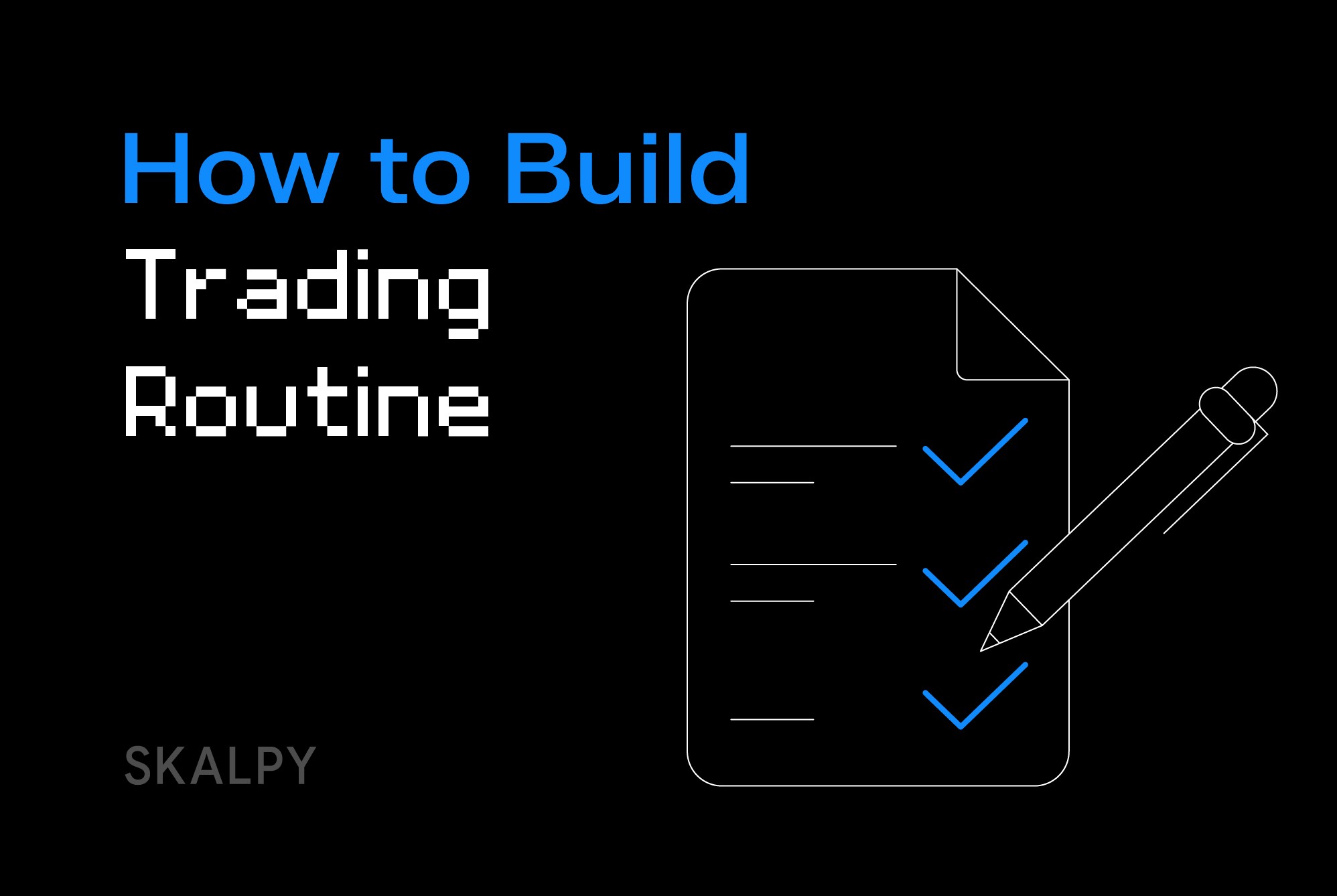
Before entering any position, verify it meets your criteria using a written checklist. This creates a pause between impulse and action, filtering trades taken from boredom, FOMO, or revenge.
Your checklist might include: setup matches strategy, risk-reward minimum 1:2, stop placement identified, position size calculated, no correlated positions already open, daily loss limit not exceeded.
Platforms like Skaply allow quick execution once you've confirmed a valid setup, but the confirmation step must always happen first.
Take Scheduled Breaks
Trading continuously for hours leads to mental fatigue and poor decisions. Schedule mandatory breaks every 60-90 minutes. Step away from screens completely for 10-15 minutes.
These breaks reset your mental state, prevent hyperfocus that distorts judgment, and give perspective. Some of your best decisions will be trades you didn't take because a break provided clarity.
Track Trades in Real-Time
Log every trade immediately after execution: entry price, stop loss, target, position size, reasoning. This documentation helps you spot patterns and keeps you accountable to your rules.
Quick notes on emotional state are valuable too. "Felt rushed," or "Revenge trade after loss" provide insights during review.
Monitor Risk Exposure
Throughout the session, track total exposure across all open positions and how close you are to daily loss limits. This ongoing awareness prevents accidentally exceeding limits and helps with exit decisions.
Post-Session Routine: Learning and Improvement
What you do after trading determines whether you improve or repeat the same mistakes indefinitely.
Review All Trades
Go through each trade from the session. What worked? What didn't? Did you follow your plan? Where did you deviate? This honest assessment is where learning happens.
Categorize trades as "good process" or "bad process" separate from profitable or unprofitable. A losing trade that perfectly followed your rules is a good process trade. A winning trade that violated your plan is bad process regardless of profit.
Update Your Trading Journal
Your journal should include trade details, market conditions, your emotional state, and lessons learned. Over time, this becomes your personal trading textbook showing what works for you and what doesn't.
Review your journal weekly to identify patterns. You might notice you perform better on certain days, struggle with specific setups, or trade poorly after particular emotional triggers.
Calculate Performance Metrics
Track win rate, average profit/loss, risk-reward ratio achieved, largest win/loss, and other metrics. Numbers reveal truth that feelings obscure. You might feel you're trading well but metrics show declining performance, or feel you're struggling while actually improving.
Physical and Mental Recovery
Trading is mentally exhausting. After the session, engage in activities that recharge you: exercise, hobbies, social interaction, anything unrelated to markets. This recovery prevents burnout and maintains the energy needed for consistent performance.
Set Tomorrow's Plan
Before finishing for the day, briefly plan tomorrow. Mark key levels on your charts, note scheduled economic releases, and mentally prepare for likely scenarios. This five-minute investment makes tomorrow's pre-market routine more efficient.
Weekly Routine: Bigger Picture Analysis
Beyond daily routines, weekly practices provide perspective and course correction.
Comprehensive Performance Review
Every weekend, analyze the entire week's trading. Total profit/loss, number of trades, win rate, average risk-reward, biggest mistakes, best trades. This weekly review reveals trends daily reviews might miss.
Strategy Assessment
Is your strategy still working in current market conditions? Markets change, and strategies that worked last month might need adjustment. Weekly assessment keeps you adaptive rather than rigidly following rules that no longer fit conditions.
Mental and Emotional Review
How did you feel during the week? Signs of stress, overtrading, revenge trading, excessive confidence? Addressing emotional patterns early prevents them from escalating into serious problems.
Education and Development
Dedicate time each week to learning: reading about markets, studying other traders' approaches, reviewing educational content, or practicing on replay/demo. Continuous improvement separates traders who plateau from those who keep advancing.
Life Balance Check
Trading can consume your life if you let it. Weekly check-ins ensure you're maintaining relationships, health, and activities outside trading. Balance prevents burnout and provides perspective that actually improves trading decisions.
Adapting Routines to Your Style
These routines are templates, not rigid prescriptions. Adapt them to your schedule, trading style, and personality.
Scalpers need tighter, more frequent routines. Pre-session preparation is crucial since scalping requires intense focus. During-session breaks might be every 60 minutes rather than 90, and post-session review focuses on execution quality and speed.
Swing Traders can have looser routines since they're not watching screens continuously. Their during-session routine might be checking positions twice daily rather than constant monitoring.
Part-Time Traders working full jobs need routines that fit limited time. Their pre-market routine might happen during lunch break, and post-session review might be brief notes immediately after trading with detailed review on weekends.
The key is having structure appropriate to your circumstances. Some structure is infinitely better than no structure.
Common Routine Pitfalls
Rigid Perfectionism
Don't make routines so elaborate they're impossible to follow. Start simple and add complexity gradually. Missing one element of your routine doesn't mean the day is ruined. Be consistent but not obsessive.
Skipping Routines After Wins
After good trading days, the temptation is skipping preparation or review since "everything's working." This leads to sloppiness that causes future losses. Follow routines regardless of recent results.
No Accountability
Routines without accountability fade quickly. Share your routine commitment with someone, use apps to track adherence, or create consequences for skipping steps. External accountability increases follow-through.
Treating Routines as Optional
Routines only work when they're mandatory, not suggestions. They're part of your trading business, not nice-to-haves when you feel like it. This mindset shift from optional to required makes them stick.
The Bottom Line
Trading success comes from consistency more than brilliance. A mediocre strategy executed with perfect discipline beats a brilliant strategy executed inconsistently. Routines create that discipline by removing emotion and randomness from your process.
Start building your routine today. Choose one element, perhaps pre-market preparation or post-session review, and implement it consistently for two weeks. Once it's habitual, add another element. Over months, these habits compound into a complete professional trading routine.
The traders who survive long-term aren't those with the best entries or highest win rates. They're the ones who show up every day with the same systematic approach, follow their routines regardless of feelings, and treat trading as a business requiring professional habits. Build your routine now, and you'll be among them.