
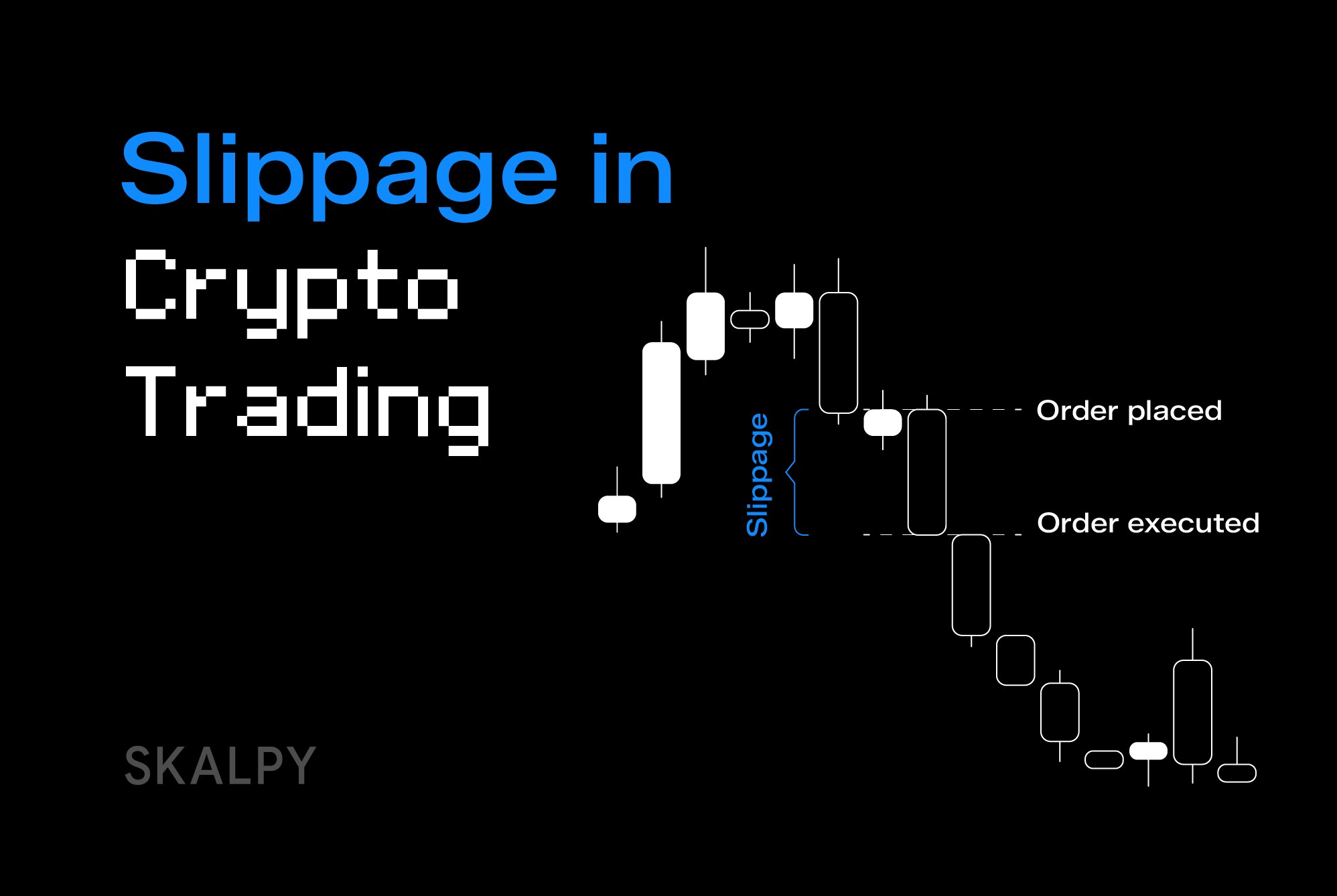
Slippage is the difference between the price you expect to execute at and the price you actually get filled at. It's one of the hidden costs of trading that can transform winning strategies into losing ones, particularly for scalpers and high-frequency traders operating on thin margins.
Understanding slippage and implementing strategies to minimize it is essential for maintaining profitability. In crypto markets where volatility is high and liquidity varies dramatically across exchanges and times, slippage can be especially problematic.
What Is Slippage?
Slippage occurs when your order executes at a different price than you intended. Most commonly, it's negative slippage where you get a worse price than expected. You click buy at $30,000, but your order fills at $30,015. That $15 difference is slippage.
Slippage happens because markets are dynamic. Between the moment you see a price and when your order reaches the exchange and executes, conditions change. Available liquidity at your intended price gets consumed by other orders, forcing your order to fill at the next available price level.
For example, the order book shows 5 BTC available at $30,000. You try to buy 10 BTC. The first 5 BTC fill at $30,000, but the remaining 5 BTC must fill at higher prices ($30,005, $30,010, etc.) where liquidity exists. Your average fill price ends up being $30,007.50 instead of $30,000.
Types of Slippage
Positive Slippage
Occasionally you get better prices than expected. You place a buy order at $30,000 but fill at $29,995. This happens when market moves in your favor during order execution or when liquidity improves suddenly.
While positive slippage is welcome, it's less common than negative slippage and shouldn't be relied upon. Plan for negative slippage and treat positive slippage as a pleasant surprise.
Negative Slippage
This is the common type where you get worse prices. Buys fill higher than intended, sells fill lower. Negative slippage directly reduces your profit on winning trades and increases losses on losing trades.
For scalpers targeting small profits, negative slippage can eliminate profitability entirely. A scalp targeting $20 profit with $15 slippage on entry and exit leaves only $5 net profit before other costs.
Why Slippage Happens
Low Liquidity
The primary cause is insufficient liquidity at your desired price level. Order books with thin depth mean small orders can move through multiple price levels to fill completely.
Liquidity varies dramatically across crypto exchanges, trading pairs, and times of day. Major pairs like BTC/USDT on Binance offer deep liquidity during peak hours. Small altcoins on minor exchanges can be extremely illiquid, causing severe slippage even on modest orders.
High Volatility
During rapid price movements, slippage increases. When Bitcoin is moving $100 per minute, the price can change significantly between order placement and execution. Market orders during these periods often fill at prices far from what you intended.
News events, major economic data releases, or sudden whale activity create volatility spikes where slippage becomes extreme.
Order Size
Larger orders consume more liquidity, naturally experiencing more slippage. If the order book only has 2 BTC at $30,000 but you're trying to buy 20 BTC, significant slippage is inevitable.
Network and Platform Latency
The time it takes for your order to reach the exchange matters. Delays of even milliseconds can result in price changes before execution. Platform performance, internet connection quality, and geographic distance from exchange servers all contribute.
Market Orders vs Limit Orders
Market orders prioritize speed over price, accepting whatever price is available. They guarantee execution but not price. Limit orders specify exact prices, guaranteeing price but not execution. Market orders inherently carry more slippage risk.
Measuring Slippage
Track slippage systematically to understand its impact on your trading.
Calculate Per-Trade Slippage
Slippage = |Executed Price - Intended Price|
If you intended to buy at $30,000 but filled at $30,018, your slippage is $18.
For percentage terms: ($18 ÷ $30,000) × 100 = 0.06%
Track Average Slippage
Calculate average slippage across all trades over a week or month. This reveals whether slippage is a minor nuisance or a significant profitability drain.
If your average slippage is 0.05% per trade and you enter and exit (two slippage events), that's 0.1% total cost per round trip. Over 100 trades, slippage costs 10% of your capital even before considering spreads and commissions.
Slippage as Percentage of Profit
For scalpers, calculate slippage as a percentage of target profit. If targeting $50 per trade but averaging $8 slippage on entry and exit combined, slippage consumes 16% of your gross profit. This dramatically impacts net profitability.
Strategies to Minimize Slippage
Use Limit Orders
Limit orders specify exact execution prices. You're guaranteed to fill at your price or better, though you're not guaranteed execution at all. If your limit price isn't reached, the order remains unfilled.
For scalpers using platforms like Skaply, limit orders provide price certainty critical for maintaining tight profit margins. The tradeoff is potentially missing trades when price moves away before filling your limit.
Trade During High Liquidity Periods
Liquidity varies by time of day. Crypto markets show highest liquidity during U.S. and European business hours (roughly 8 AM - 6 PM EST). Asian sessions and weekend trading typically show reduced liquidity.
Plan your trading during peak liquidity windows when order books are deepest and slippage is minimized.
Choose Liquid Trading Pairs
Focus on high-volume pairs where liquidity is robust. BTC/USDT, ETH/USDT, and other major pairs on top-tier exchanges offer the best liquidity and minimal slippage.
Avoid low-volume altcoins unless your strategy specifically requires them and you've accounted for higher slippage in your risk calculations.
Trade on High-Liquidity Exchanges
Not all exchanges are equal. Binance, Coinbase, Kraken, and other major platforms typically offer superior liquidity compared to smaller exchanges. Even for the same trading pair, slippage can vary dramatically across venues.
Research where your chosen pairs have the deepest liquidity and trade there, even if fees are slightly higher. Lower slippage often more than compensates for marginally higher commissions.
Split Large Orders
If you must execute large orders, split them into smaller pieces to minimize market impact. Rather than buying 50 BTC at once, break it into five 10 BTC orders executed over time.
This strategy works best when you're not racing against rapid market movement. During fast markets, splitting orders may result in chasing price higher.
Avoid Trading During Major News
Volatility spikes during major announcements, central bank decisions, or significant crypto-specific news. Slippage becomes extreme during these events as liquidity temporarily evaporates and prices move violently.
Unless your strategy specifically targets news events, avoid trading 15-30 minutes before and after scheduled high-impact releases.
Reduce Position Size
Smaller orders naturally experience less slippage since they consume less available liquidity. If slippage is consistently problematic, consider whether you're trading sizes too large for the liquidity available.
This is particularly relevant for scalpers where even small slippage matters. Trading smaller sizes with acceptable slippage may be more profitable than larger sizes with significant slippage.
Use Slippage Tolerance Settings
Many platforms allow you to set maximum acceptable slippage. Orders automatically cancel if slippage would exceed your threshold. This protects you from extreme slippage during volatile periods but means more rejected orders.
Set tolerance based on your strategy. Scalpers might use 0.1-0.2% tolerance, while swing traders might accept 0.5-1% for important entries.
Slippage in Different Market Conditions
Trending Markets
During strong trends, slippage can work for or against you depending on direction. When buying during an uptrend, slippage typically works against you as price keeps rising. When selling during a downtrend, you experience negative slippage as price keeps falling.
However, liquidity often improves during strong trends as more participants engage, partially offsetting increased slippage from directional movement.
Ranging Markets
Choppy, sideways markets may show better execution and less slippage due to reduced directional pressure. However, if volume is low (often the case in ranges), thin liquidity can still cause significant slippage.
Gap Events
Overnight gaps or sudden price jumps create extreme slippage situations. Your stop loss at $29,000 might execute at $28,700 if price gaps through your level. This gap slippage can be much larger than normal slippage and is nearly impossible to avoid with market orders.
Slippage for Scalping Strategies
Scalping is most affected by slippage due to thin profit margins and high trade frequency.
Slippage Kills Scalping Profitability
A scalping strategy targeting 0.2% profits per trade cannot survive 0.15% slippage per round trip. You need slippage well under 0.05% per trade for scalping to remain viable.
This requirement means scalpers must trade only the most liquid pairs during the most liquid times on the best exchanges. There's no room for compromise on execution quality.
Entry and Exit Slippage
Remember that slippage occurs twice per trade: once on entry, once on exit. Both must be minimized. Even if entry slippage is acceptable, poor exit execution can erase profits.
The Speed Advantage
Fast execution reduces slippage by minimizing time between decision and fill. Platforms optimized for speed give scalpers a genuine edge in slippage reduction.
Technology and Infrastructure
Platform Performance
Your trading platform's speed affects slippage. Laggy platforms with slow order routing increase the time window where prices can change before execution.
Choose platforms with proven low-latency execution and reliable infrastructure.
Internet Connection Quality
A stable, fast internet connection reduces order transmission time. Consider wired connections over WiFi for serious trading, and ensure your internet service provides consistent low latency.
Geographic Proximity
Being physically closer to exchange servers reduces network latency. This matters most for high-frequency strategies where milliseconds count. Some serious traders even use VPS (Virtual Private Servers) located near exchange data centers.
Accounting for Slippage in Your Strategy
Backtest with Realistic Slippage
When backtesting strategies, include realistic slippage assumptions. A strategy that looks profitable in backtest without slippage may be unprofitable with real-world execution costs.
For crypto scalping, assume 0.03-0.08% slippage per trade depending on liquidity. For less frequent strategies or larger timeframes, 0.05-0.15% is reasonable.
Build Slippage into Profit Targets
If you need $100 profit per trade, target $115-120 to account for slippage. This ensures your net profit after execution costs meets your requirements.
Monitor and Adjust
Track actual slippage continuously. If real-world slippage exceeds your assumptions, either adjust your strategy (wider targets, fewer trades, better execution) or accept lower profitability.
The Bottom Line
Slippage is an unavoidable reality of trading, but its impact varies dramatically based on your choices. Trade liquid pairs during active hours on quality exchanges using limit orders, and slippage becomes a minor cost. Trade illiquid pairs during quiet periods using market orders, and slippage can eliminate profitability entirely.
For scalpers and active traders, minimizing slippage isn't optional—it's essential for survival. Every basis point of slippage reduced directly improves your bottom line. Take execution quality seriously: choose your trading venues carefully, time your trades strategically, and use order types that prioritize price certainty.
Calculate your average slippage, understand its impact on your profitability, and implement the strategies above to minimize it. The difference between profitable and unprofitable trading often comes down to execution quality, and slippage is a major component of that execution quality equation.
Скальпинг
Choosing the Right Crypto Assets for Scalping Success
Learn how to select the best cryptocurrencies for scalping based on liquidity, volatility, spreads, and volume to maximize your scalping profitability.
Трейдинг
The Essential Pre-Trade Checklist: Never Enter Without These Confirmations
Use this comprehensive trading checklist before every trade to confirm setups, manage risk properly, and avoid impulsive decisions that lead to losses.
Трейдинг
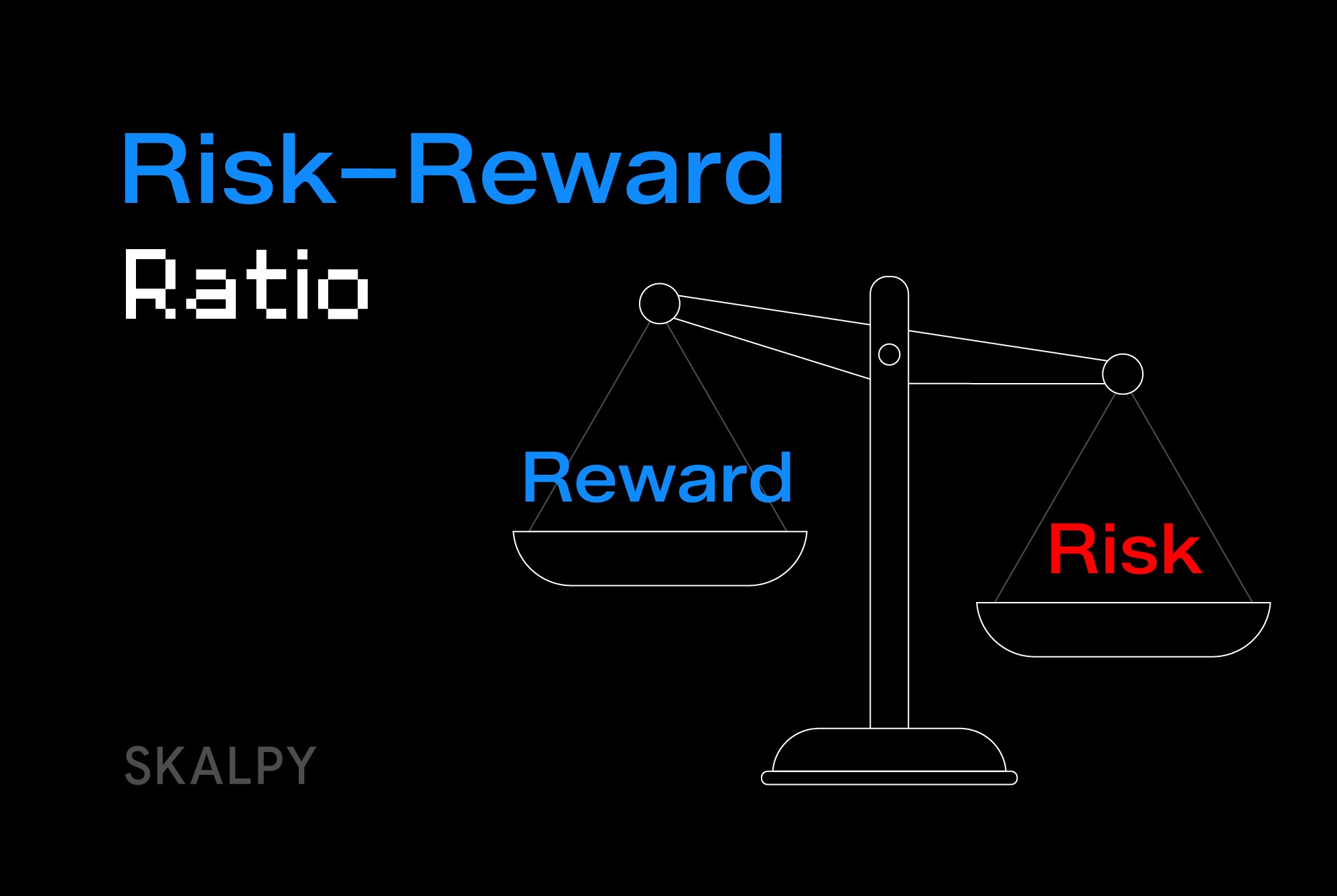
Understanding Risk-Reward Ratio: The Math Behind Profitable Trading
Learn how risk-reward ratio determines trading profitability, why 1:2 minimum is essential, and how to calculate and apply risk-reward to every crypto trade.