
Не все криптовалюты подходят для скальпинга. Разница между прибыльным и убыточным скальпингом часто определяется именно выбором актива, а не стратегией или уровнем навыков трейдера. Если вы торгуете неподходящие активы, вы почти гарантированно потерпите неудачу, независимо от того, насколько хороши ваши точки входа.
Скальпинг требует определённых рыночных условий, которые стабильно присутствуют только у некоторых криптоактивов. Понимание того, что делает актив пригодным для скальпинга и как распознать эти характеристики, помогает не тратить время и капитал на неподходящие рынки.
Почему выбор актива важен для скальпинга
Скальпинг нацелен на небольшую, но частую прибыль. Для этого необходимы:
Узкие bid-ask спреды, чтобы издержки сделки не съедали прибыль
Высокая ликвидность, чтобы ордера исполнялись мгновенно без проскальзывания
Достаточная волатильность для регулярных торговых возможностей
Стабильный объём торгов, чтобы условия оставались предсказуемыми на протяжении всей сессии
Если хотя бы один из этих факторов отсутствует, скальпинг становится крайне сложным или невозможным. Вы можете идеально следовать стратегии на неликвидном альткоине и всё равно терять деньги, потому что спред и проскальзывание будут поглощать вашу прибыль.
Пять ключевых критериев
1. Высокий торговый объём
Объём — это фундамент скальпинга. Высокий объём означает, что на рынке много участников, активно покупающих и продающих актив. Это создаёт ликвидность и движение цены, необходимые скальперам.
Что считается высоким объёмом?
Для криптоскальпинга стоит выбирать активы с минимум $500 млн суточного объёма, а лучше $1 млрд и выше.
Bitcoin и Ethereum регулярно показывают $20–30 млрд в день, что делает их идеальными.
Важно проверять объём на разных биржах. Иногда актив выглядит ликвидным на одной бирже, но практически не торгуется на других. Сосредотачивайтесь на площадках с реальной ликвидностью.
Стабильность объёма
Объём должен быть постоянным, а не скачкообразным. Актив, который торгуется на $2 млрд сегодня и на $200 млн завтра, создаёт нестабильные условия для скальпинга. Постоянный объём означает стабильные условия для торговли.
2. Узкий bid-ask спред
Спред — это ваши мгновенные торговые издержки. Каждый раз, когда вы входите и выходите из позиции, вы платите этот спред. Для скальперов, которые зарабатывают $20–50 на сделке, широкий спред может полностью уничтожить прибыль.
Допустимые значения спреда
Для основных пар, таких как BTC/USDT и ETH/USDT, на крупных биржах спред должен быть примерно 0.01–0.03% (около $3–10 для Bitcoin при цене $30,000).
Спред выше 0.1% сильно усложняет скальпинг
Спред выше 0.5% делает его почти невозможным
Формула расчёта спреда:
(Ask − Bid) / Ask × 100
Если ask Bitcoin = $30,010, а bid = $30,000:
$10 / $30,010 × 100 = 0.033%
Стабильность спреда
Спред должен оставаться относительно стабильным на протяжении всей торговой сессии. Если он узкий только в часы пик, но сильно расширяется в тихие периоды, стоит корректировать время торговли.
Платформы вроде Skalpy подключаются к биржам с устойчиво узкими спредами на основных парах, поскольку именно качество спреда напрямую определяет возможность прибыльного скальпинга.
3. Достаточная глубина ликвидности
Объём показывает, сколько торгуется, но глубина ликвидности показывает, сколько ордеров находится на каждом уровне цены. Глубокий стакан заявок означает, что ваши ордера исполняются без сильного влияния на цену.
Проверка глубины стакана
Посмотрите на стакан заявок (DOM).
Для скальпинга важно видеть значительные ордера на покупку и продажу в пределах 0.1–0.2% от текущей цены.
Если Bitcoin торгуется по $30,000, желательно видеть ликвидность примерно в диапазоне $29,970 – $30,030.
Если стакан тонкий, даже небольшой ордер может вызвать проскальзывание, и ваша сделка будет исполнена по нескольким ценовым уровням.
Значение биржи
Один и тот же актив может иметь совершенно разную ликвидность на разных биржах. Например, BTC/USDT на Binance имеет гораздо более глубокий стакан, чем на небольшой бирже. Всегда торгуйте там, где ликвидность максимальна.
4. Подходящая волатильность
Скальпингу нужна волатильность, чтобы создавать возможности для сделок, но она не должна быть настолько высокой, чтобы риск становился неконтролируемым.
Как измерять волатильность
Используйте индикатор ATR (Average True Range).
Для скальпинга на 5-минутном графике оптимальный ATR составляет примерно 0.15–0.5% цены.
Слишком низкая волатильность — мало возможностей
Слишком высокая — постоянные стоп-лоссы
Например:
Bitcoin с ATR $100–150 на 5-минутке создаёт хорошие условия.
Альткоин с ATR $5 может быть слишком тихим.
А актив с ATR $500 может быть слишком хаотичным.
Стабильность волатильности
Как и объём, волатильность должна быть относительно стабильной. Активы, которые несколько дней стоят спокойно, а затем резко двигаются на 20%, создают нестабильные условия для скальпинга.
Активы первого уровня для скальпинга
Эти активы стабильно соответствуют всем критериям.
Bitcoin (BTC/USDT, BTC/USDC)
Главная криптовалюта рынка предлагает:
огромную ликвидность
узкие спреды
достаточную волатильность
Bitcoin можно скальпить практически на всех крупных биржах и в любое время суток, хотя лучшие условия обычно во время европейской и американской сессии.
Суточный объём часто превышает $20–30 млрд, спреды на Binance и Coinbase обычно менее 0.02%, а стакан заявок очень глубокий.
Это основной актив для криптоскальпинга.
Ethereum (ETH/USDT, ETH/USDC)
Вторая по капитализации криптовалюта предлагает условия, похожие на Bitcoin:
объём $10–20 млрд в день
узкие спреды
глубокую ликвидность
Ethereum часто демонстрирует немного более высокую волатильность, чем Bitcoin, что создаёт больше торговых возможностей.
Крупные альткоины в часы высокой активности
Активы вроде:
Solana (SOL)
Ripple (XRP)
Cardano (ADA)
могут подходить для скальпинга на крупных биржах во время пиковых торговых часов. Однако они требуют более внимательной проверки условий.
Объём и спред могут значительно меняться изо дня в день.
Активы второго уровня (использовать осторожно)
Альткоины средней капитализации (Top 20–50)
Они могут подходить для скальпинга при определённых условиях, но требуют проверки:
объём $200–500 млн
спред менее 0.1%
достаточная глубина ликвидности
Такие активы лучше скальпить только в часы пиковой активности.
Токены, находящиеся в тренде
Когда какой-то токен становится популярным из-за новостей или обновлений, его объём и волатильность могут временно вырасти. В этот момент он становится пригодным для скальпинга.
Но такие условия временные. Сегодня актив может быть идеальным для скальпинга, а завтра полностью потерять ликвидность.
Активы, которых стоит избегать
Низкокапитализированные альткоины
Токены за пределами топ-100 по капитализации почти никогда не подходят для скальпинга:
слишком низкий объём
широкий спред
слабая ликвидность
Даже идеальная стратегия не компенсирует такие издержки.
Новые листинги
Новые токены часто показывают:
экстремальную волатильность
очень тонкую ликвидность
Хотя движение цены может быть большим, проскальзывание и спред делают скальпинг практически невозможным.
Мем-коины и хайп-токены
Активы, которые растут только благодаря хайпу в соцсетях, имеют нестабильный объём и часто манипулируемую цену. Это скорее инструмент для спекуляций, а не для системного скальпинга.
Токены с ликвидностью только на одной бирже
Если актив активно торгуется только на одной небольшой бирже, он не подходит для скальпинга. Для стабильной торговли нужна ликвидность на нескольких площадках.
Итог
Выбор правильного актива — половина успеха в скальпинге. Даже идеальная стратегия не будет работать на неправильном рынке.
Начните с Bitcoin и Ethereum. Они дают самые стабильные условия для скальпинга, особенно для начинающих. Когда вы научитесь стабильно зарабатывать на этих активах, можно постепенно добавлять крупные альткоины в часы высокой ликвидности.
Всегда проверяйте пять ключевых критериев:
высокий объём
узкие спреды
достаточная глубина ликвидности
подходящая волатильность
стабильные условия в часы вашей торговли
Тестируйте новые активы на демо или с минимальным объёмом, прежде чем использовать полноценный капитал.
Выбор актива может показаться не самой интересной частью трейдинга, но именно он часто определяет результат. Самая сложная стратегия не поможет, если рынок не позволяет эффективно исполнять сделки.
Выбирайте активы правильно — и ваши шансы на успешный скальпинг значительно возрастут.
Скальпинг
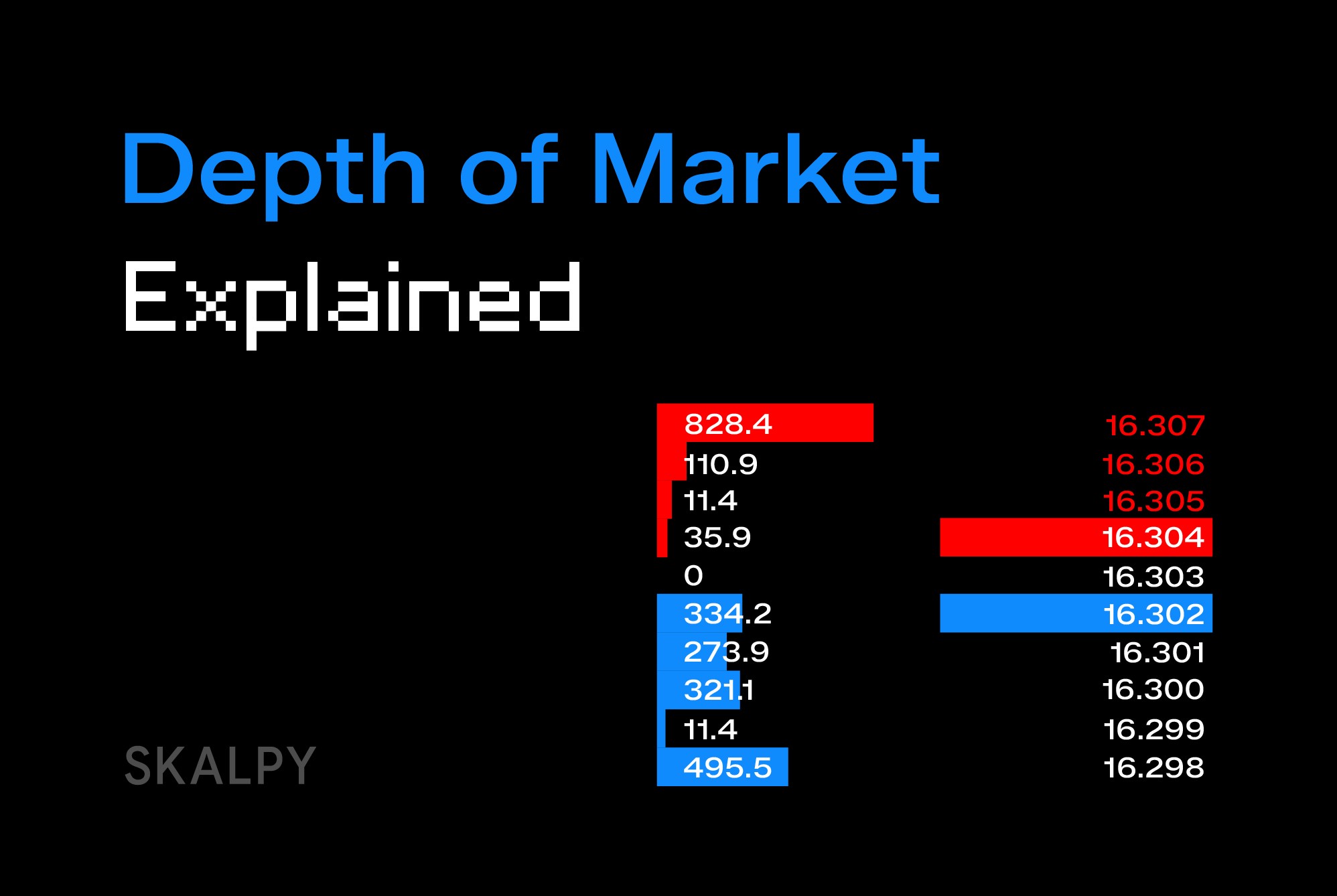
Что такое стакан заявок (DOM)? Как читать стакан заявок на профессиональном уровне
Узнайте, как читать Depth of Market (DOM). Разберитесь, как работает стакан заявок, что означают bid-ask стены и уровни ликвидности, чтобы принимать более точные торговые решения на рынках акций, фьючерсов и криптовалют.
Трейдинг
Bid и Ask в трейдинге: как работает спред и почему он важен
Узнайте, что означают цены bid и ask в трейдинге, как спред влияет на ваши издержки и почему понимание этих базовых понятий критично для прибыльной торговли на рынках акций, форекса и криптовалют.
Скальпинг
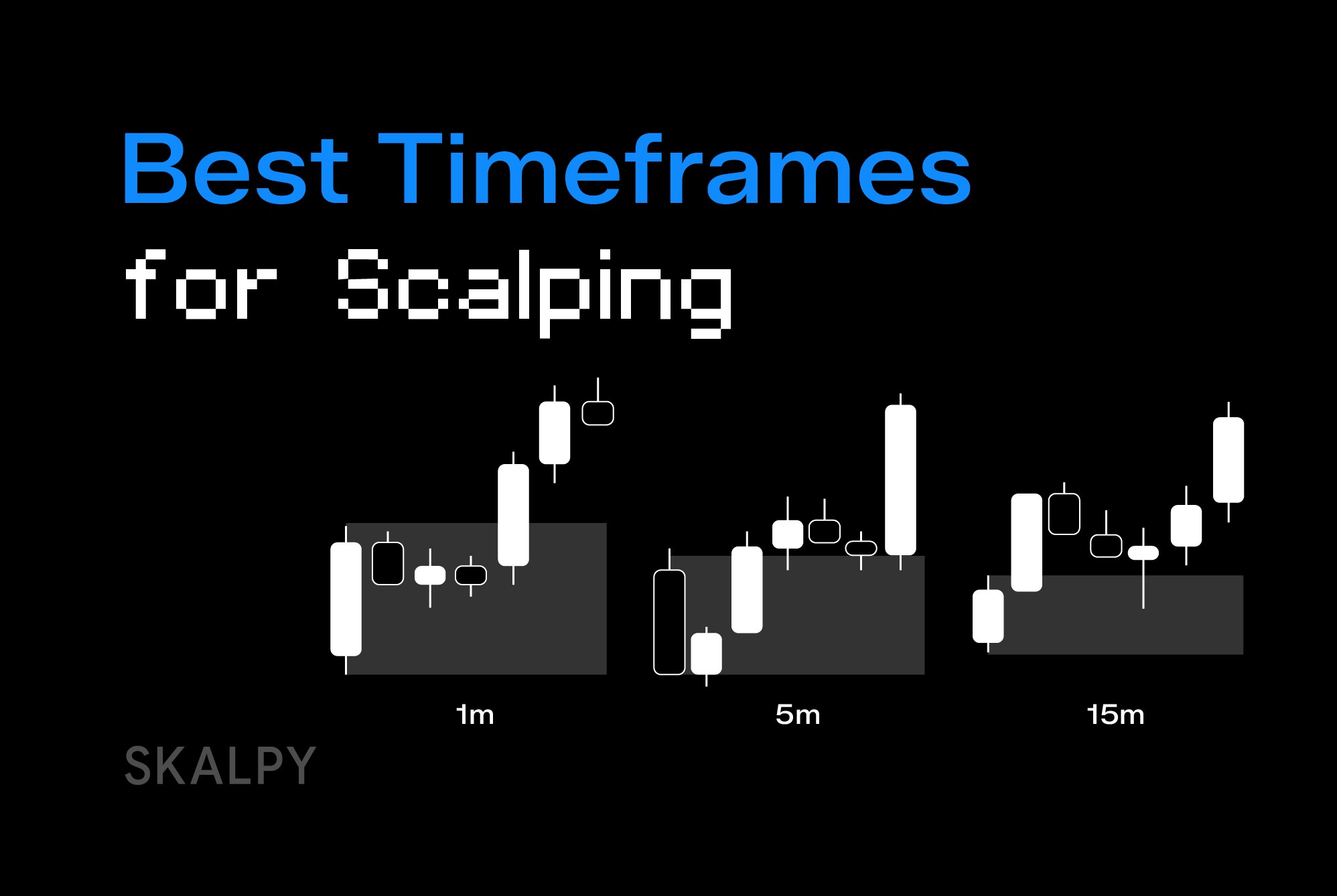
Какие таймфреймы лучше всего подходят для криптоскальпинга?
Узнайте, какие таймфреймы лучше всего подходят для криптоскальпинга — от 1-минутных до 15-минутных графиков — и как выбрать таймфрейм, соответствующий вашему стилю торговли.