
The order book is a real-time list of all outstanding buy and sell limit orders for a specific asset. It shows how much liquidity exists at each price level and helps traders understand supply and demand in the market.
Order books are fundamental tools for short-term traders and scalpers.
What Is an Order Book?
An order book organizes limit orders into two sides:
Bids: Buy orders placed by traders willing to purchase at a specific price.
Asks: Sell orders placed by traders willing to sell at a specific price.
These orders are stacked at different price levels.
Example:
Price | Orders |
|---|---|
$40,020 | 12 BTC sell |
$40,010 | 6 BTC sell |
$40,000 | current price |
$39,990 | 8 BTC buy |
$39,980 | 15 BTC buy |
This structure shows where buyers and sellers are positioned.
Why the Order Book Matters
It reveals liquidity: Traders can see where large orders are located.
It identifies support and resistance: Large clusters of orders may slow or stop price movement.
It helps anticipate volatility: Thin order books often lead to sharp price swings.
Order Book vs Executed Trades
The order book shows pending orders that have not yet executed.
Executed trades appear in the trade tape and represent actual transactions.
Both tools together help traders understand market activity.
Order Books in Scalping
Scalpers closely monitor order books to identify potential entry and exit points.
Large order clusters can signal areas where price might react.
Trading platforms like Skalpy provide real-time order book visualization, helping traders analyze liquidity and market depth before placing trades.
Trading
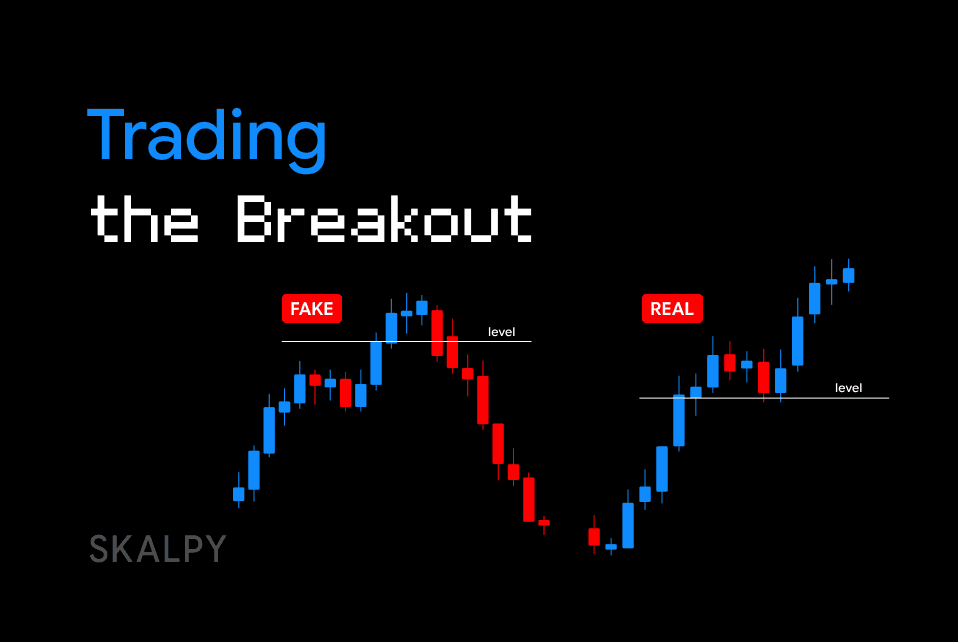
Trading the Breakout: How to Filter False Breakouts Using Order Book Data
Improve your breakout strategy by understanding market microstructure. Learn how order flow, absorption, and DOM data can help filter false breakouts.

Scalping
Dynamic Position Sizing: Scaling In and Out of Fast-Moving Trades
Learn how professional crypto scalpers use dynamic position sizing, scaling in, and scaling out to maximize profits and minimize risk during fast market movements.
Trading
Tilt and Revenge Trading: How to Hit the Kill Switch Before You Liquidate
Learn how to recognize tilt in crypto scalping and stop the urge to revenge trade. Discover practical risk management methods to protect your trading capital from liquidation.