
Spoofing is a trading tactic where large orders are placed in the order book with no intention of executing them. The goal is to create the illusion of strong buying or selling pressure and influence other traders' behavior.
Once the market reacts, the spoofing orders are quickly canceled.
What Is Spoofing?
In spoofing, a trader places large limit orders to manipulate market perception.
Example:
A trader places a massive sell wall above the current price, making it look like strong resistance exists.
Other traders may start selling, expecting price to fall.
Once price moves downward, the spoofing trader cancels the fake order.
Why Traders Use Spoofing
To manipulate market sentiment
To create artificial support or resistance
To trigger other traders' orders
Spoofing attempts to influence price without actually executing large trades.
Signs of Spoofing
Large orders that appear suddenly in the order book
Orders that disappear quickly when price approaches
Repeated placement and cancellation of large orders
These patterns can indicate manipulative activity.
Spoofing and Market Transparency
Many exchanges monitor spoofing because it can distort market behavior.
However, detecting spoofing in real time can be difficult.
Platforms like Skalpy help traders observe order book changes and real-time trade activity, allowing them to identify suspicious patterns that may indicate spoofing.

Трейдинг
Информационный перегруз: Как избежать паралича анализа в скальпинге
Узнайте, как справиться с параличом анализа в трейдинге. Учимся фильтровать лишний шум, настраивать рабочее пространство и фокусироваться на потоке ордеров.

Скальпинг
Больше чем PnL: Как вести журнал сделок
Узнайте, почему торговый журнал является ключевым инструментом криптоскальпера. Разбираем метрики микроструктуры рынка, аудит качества исполнения и устранение системных ошибок.
Трейдинг
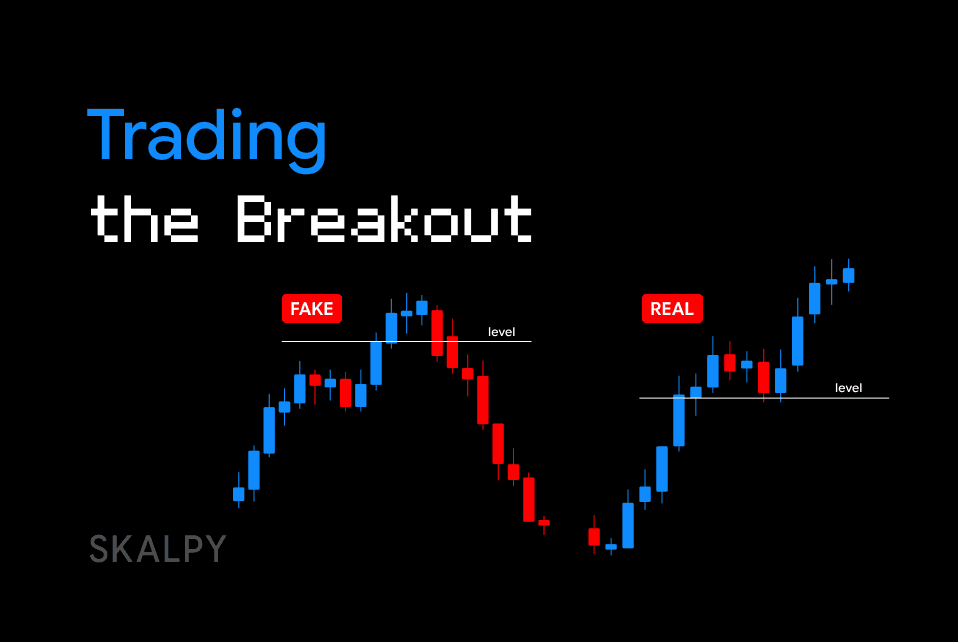
Торговля на пробой: Как фильтровать ложные пробои с помощью данных стакана
Повысьте эффективность пробойных стратегий, изучив микроструктуру рынка. Узнайте, как лента и абсорбция помогают фильтровать ложные пробои.