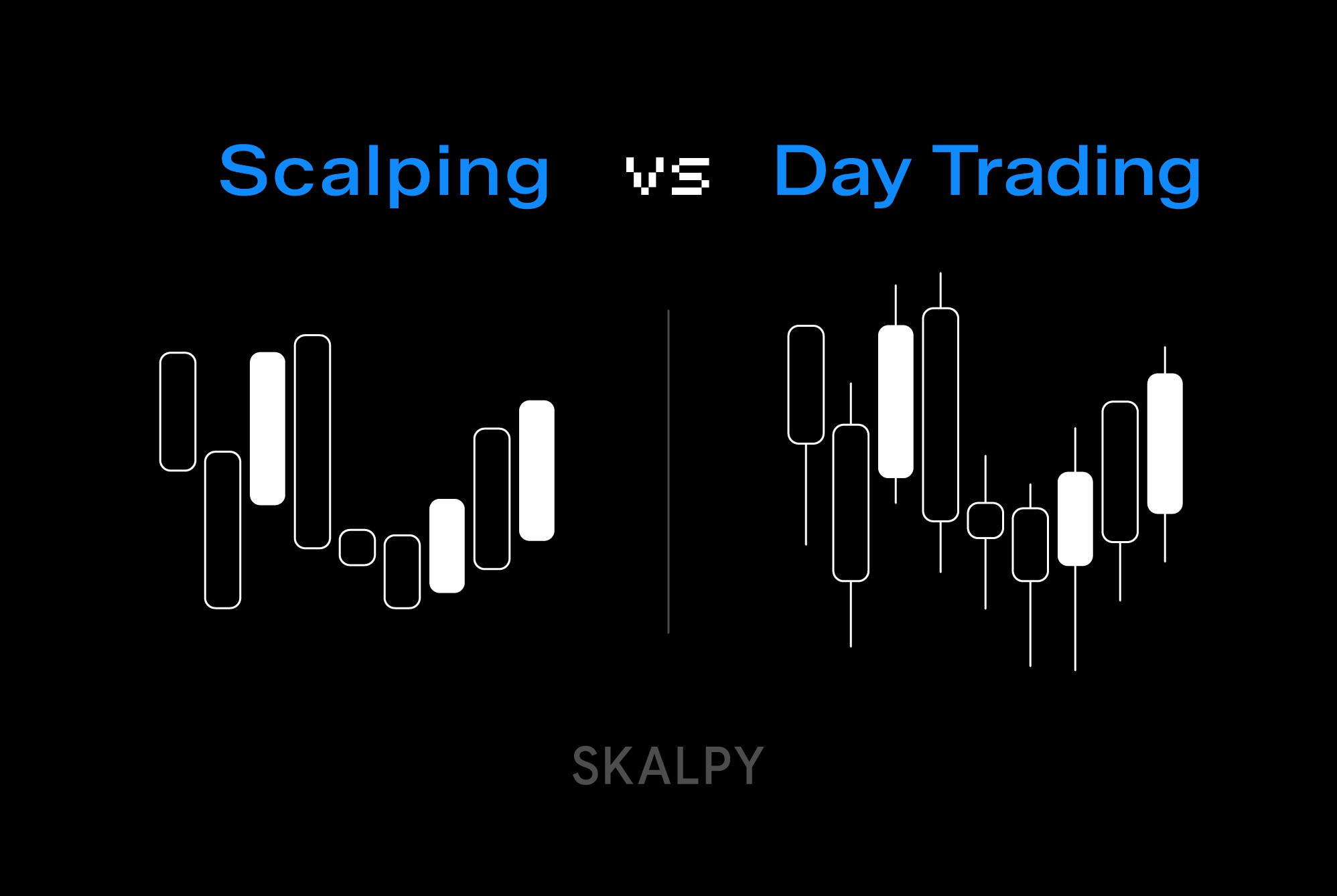
Both scalping and day trading fall under the umbrella of intraday trading strategies, where all positions close before the market shuts down for the day. Yet these two approaches couldn't be more different in execution, mindset, and skill requirements. Understanding which style aligns with your personality, available time, and risk tolerance is crucial before committing capital to either strategy.
What Defines Each Strategy
Scalping is the art of speed trading. Scalpers execute dozens, sometimes hundreds, of trades within a single session, holding positions for mere seconds to a few minutes. The goal is straightforward: capture tiny price movements repeatedly, letting small profits compound throughout the day. A successful scalper might profit just $5-$20 per trade but execute 50-100 trades daily.
Day trading takes a more measured approach. Day traders typically execute 3-10 carefully selected trades per session, holding positions from several minutes to multiple hours. They aim to capture larger intraday price swings, seeking profits that justify the fewer number of trades. A day trader might target $100-$500 per successful trade with 3-5 positions daily.
Trade Duration and Timeframe Focus
The most visible difference lies in how long each strategy holds positions.
Scalpers operate in the market's fastest lanes, watching 1-minute, sometimes tick charts. They hunt for micro-movements, entering and exiting before most traders even notice price shifted. A scalper might be in and out of a Bitcoin position in 30 seconds, capturing a $50 move on a single contract.
Day traders work with breathing room. They analyze 5-minute, 15-minute, and hourly charts to identify intraday trends and patterns. A day trader might enter an Ethereum position at 10 AM, hold through a trending move, and exit at 2 PM after capturing a significant swing. The patience to let trades develop distinguishes day trading from scalping's rapid-fire approach.
Frequency and Trade Volume
Scalping is high-frequency by nature. Scalpers might execute 50-200 trades in a single session, constantly scanning for opportunities. This volume approach means even with a 55-60% win rate and tiny per-trade profits, the strategy can generate substantial daily returns. However, it also means commission costs become a critical factor. Without low-cost execution, fees can devour profits.
For traders seeking fast execution with minimal latency, platforms like Skaply, a rapid cross-platform crypto trading terminal built specifically for scalpers, provide the speed and efficiency needed to capitalize on split-second opportunities.
Day trading operates at lower frequency. A day trader might execute 5-8 trades daily, sometimes fewer. Each trade receives more analysis, more consideration. Day traders aren't chasing every wiggle in price but waiting for setups that meet specific criteria. This selectivity means each individual trade carries more weight in the day's overall performance.
Risk Management and Profit Targets
The approaches to risk diverge significantly.
Scalpers use extremely tight stop-losses, often just a few ticks or dollars beyond entry. If a trade moves against them, they exit immediately. This discipline prevents small losses from becoming large ones. Profit targets are equally tight, sometimes just the spread plus a few ticks. The strategy accepts that many trades will hit break-even or small losses, relying on volume and consistency for profitability.
Day traders allow their positions more room to breathe. Stop-losses might be 1-2% of position value, giving trades space to handle normal market fluctuation without getting stopped out prematurely. Profit targets are proportionally larger, seeking 2-5% moves or more. This creates a risk-reward ratio where a single winning trade can offset multiple small losses.
Technical Analysis and Tools
Scalpers live and die by execution speed. They monitor Level 2 order books, time and sales data, and tape reading to detect buying or selling pressure before it shows on price charts. Many scalpers use direct market access (DOM) to place orders instantly. They need tools that update in real-time without lag, platforms that execute orders in milliseconds, not seconds.
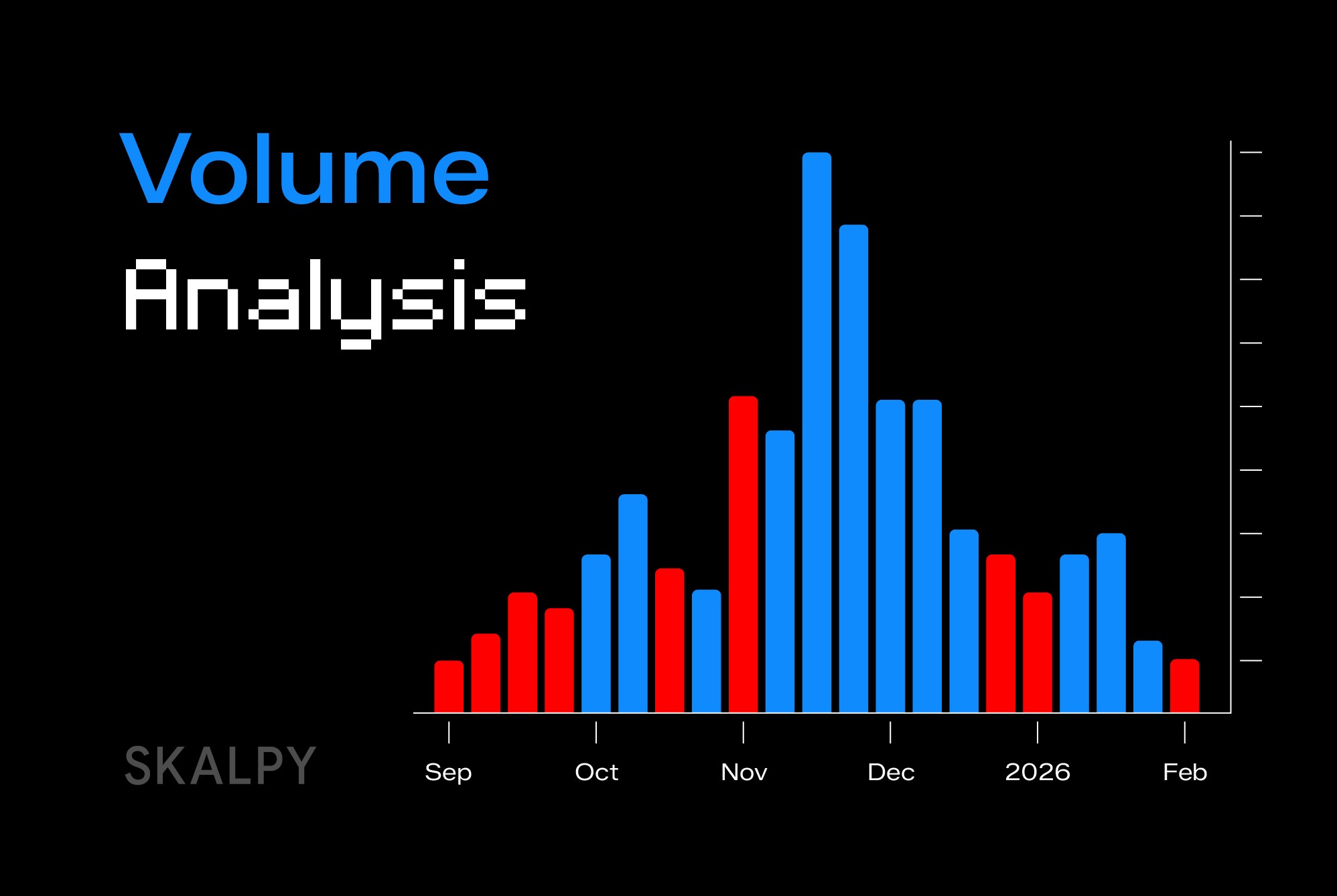
Technical indicators for scalpers stay minimal: volume, VWAP, and simple moving averages. Anything complex introduces lag. The edge comes from reading raw price action and order flow, not from elaborate indicator combinations.
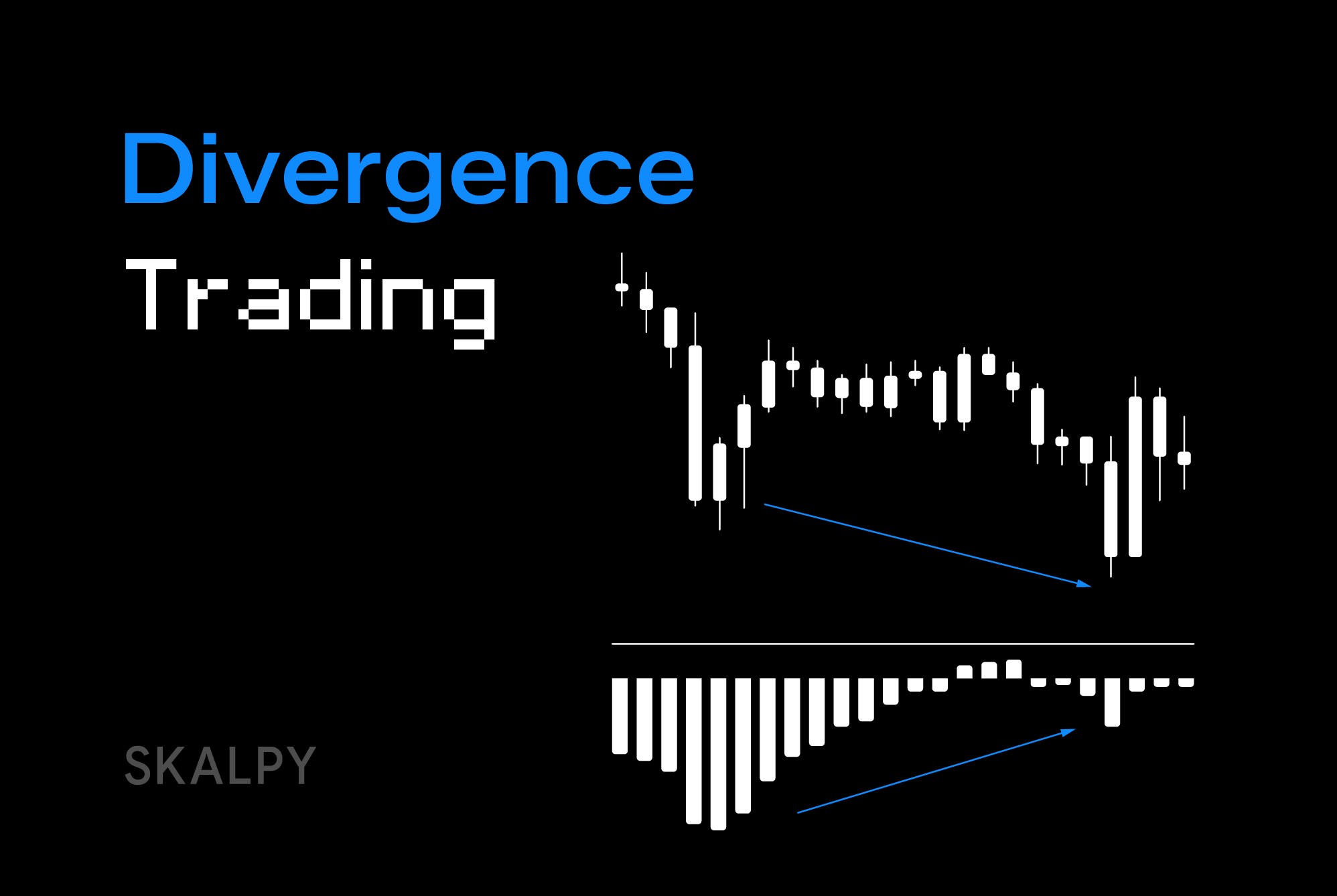
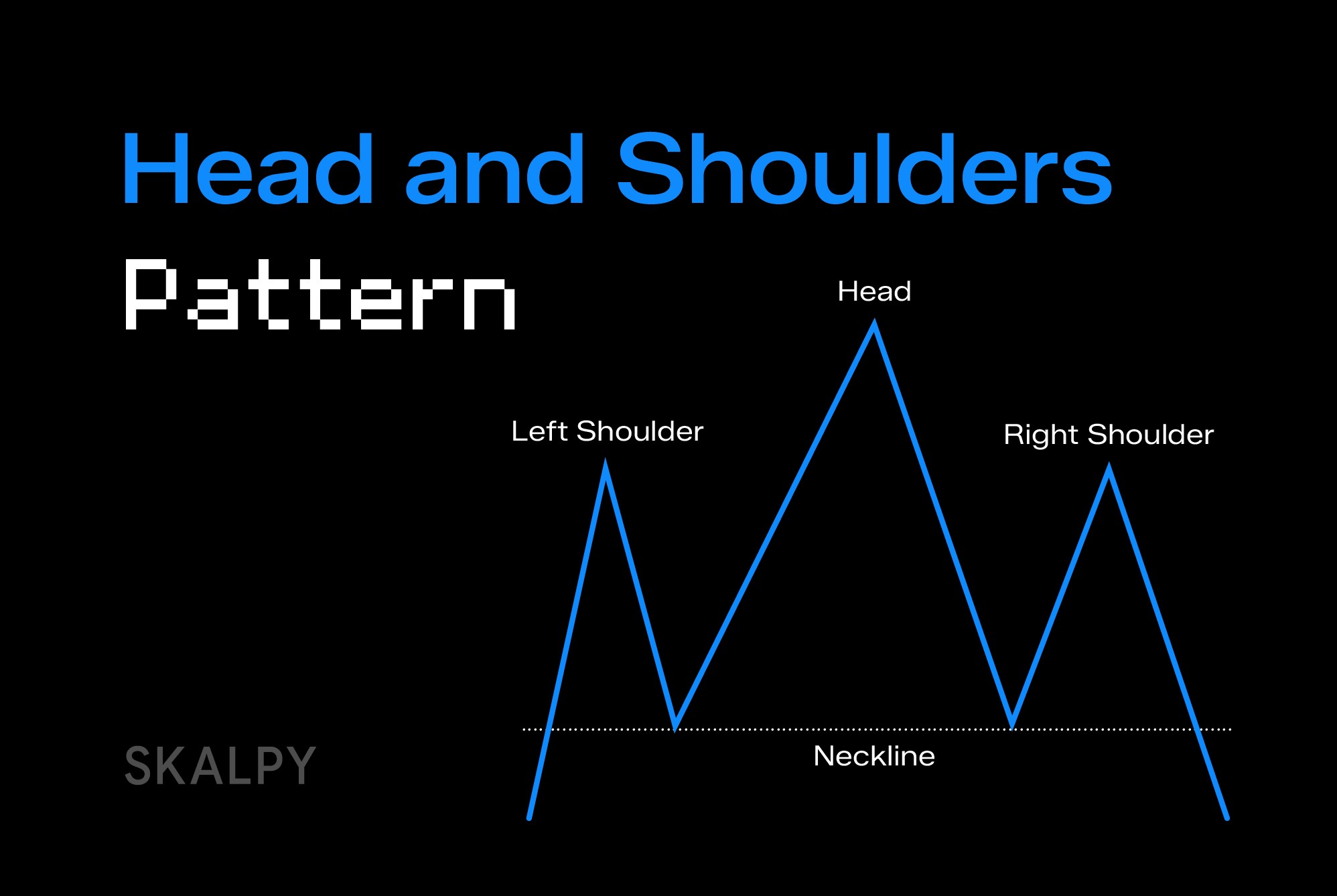
Day traders employ broader technical analysis. They identify support and resistance levels, chart patterns like flags and triangles, and use multiple indicators to confirm trade setups. RSI, MACD, Bollinger Bands, Fibonacci retracements - these tools help day traders understand market context and direction. Unlike scalpers, day traders have time to analyze, plan entries, and wait for confirmation.
For active traders managing positions across multiple timeframes and assets, having a reliable execution platform is non-negotiable. Skaply offers the combination of speed and multi-market access that both scalpers and active day traders require.
Stress Level and Time Commitment
Scalping demands relentless focus. There's no checking your phone, no casual conversations. Every second counts. The mental intensity is extreme you're making split-second decisions repeatedly with real money on the line. After a scalping session, many traders feel mentally exhausted. This isn't a strategy you can practice casually while multitasking.
Day trading requires concentration but offers mental breaks between setups. You might spend 30 minutes analyzing charts, execute a trade, then monitor it while performing other tasks. The pressure exists but doesn't demand constant, unblinking attention. Many day traders find this rhythm more sustainable long-term.
Capital Requirements
Both strategies require sufficient capital, but for different reasons.
Scalpers need capital to handle high volume and to meet pattern day trading regulations in many markets (typically $25,000 minimum in U.S. equities). They also need enough size to make small percentage moves meaningful. Capturing 0.1% on a $1,000 position yields just $1 before costs barely worthwhile.
Day traders can work with somewhat less capital since they take fewer trades with larger targets. A $10,000 account taking 5 trades daily with 2% targets offers meaningful profit potential if managed well. The lower frequency reduces commission impact.
Can You Combine Both Approaches?
Some experienced traders blend elements of both strategies. They might scalp during high-volatility morning sessions when opportunities are plentiful, then switch to day trading later when markets calm and clearer trends develop. This hybrid approach requires mastery of both styles and the discipline to recognize which strategy fits current market conditions.
However, beginners should master one approach before attempting to combine strategies. Mixing methodologies while still learning often leads to confusion and inconsistent results.
The Bottom Line
Neither scalping nor day trading is inherently superior. Both can be profitable in skilled hands, and both can devastate accounts when practiced carelessly. Your success depends less on which strategy you choose and more on whether that strategy aligns with your personality, lifestyle, and strengths as a trader.
Scalping rewards speed, precision, and mental endurance. Day trading rewards patience, analysis, and strategic thinking. Assess yourself honestly, choose the path that fits, and commit to mastering it fully before judging results. The market doesn't care which approach you use, it only cares whether you execute it with discipline, consistency, and proper risk management.