
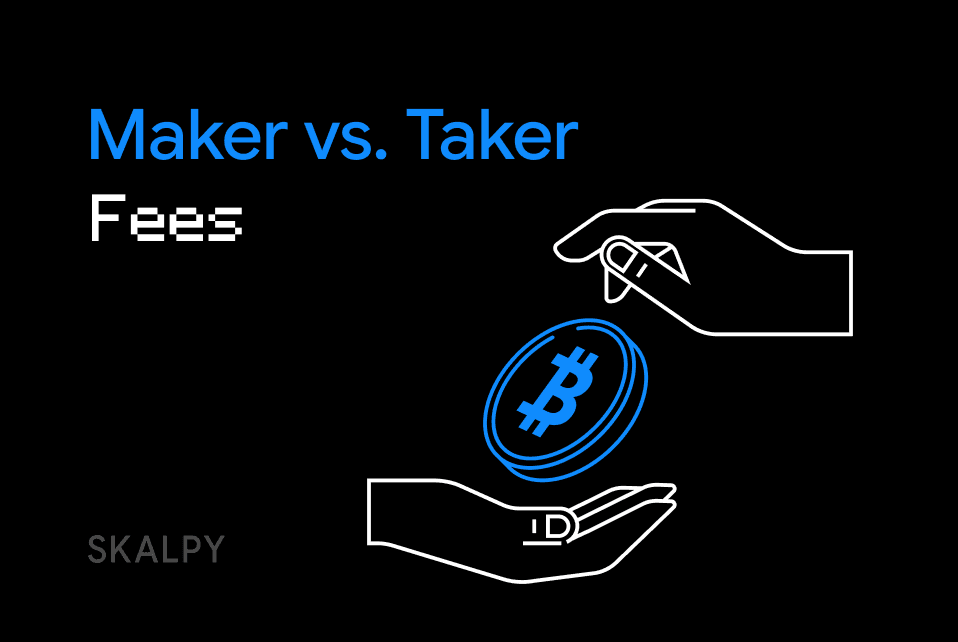
Every basis point matters when you are scalping the crypto markets. If you are executing dozens of trades a day, ignoring your exchange's fee structure is the fastest way to drain your account.
A strategy with a solid win rate can easily turn unprofitable if you are constantly paying a premium for execution. Understanding the mechanics of maker and taker fees is non-negotiable for active traders.
Here is exactly how these fees work and how you can optimize your costs to protect your bottom line.
What Are Maker and Taker Fees?
Crypto exchanges operate on an order book model. To keep the market moving smoothly, exchanges incentivize traders to provide liquidity while charging a premium to those who remove it.
The Maker (Providing Liquidity)
You are a "maker" when you place an order that does not execute immediately against the current market price. By placing a limit order away from the active spread, you add depth to the order book.
Because you are providing liquidity for others to trade against, exchanges reward you. Maker fees are always lower than taker fees, and on some tier levels, you might even receive a rebate.
The Taker (Consuming Liquidity)
You become a "taker" when you execute a market order or place a limit order that crosses the spread and fills instantly. You are taking existing liquidity off the order book to guarantee immediate execution.
Exchanges charge a higher fee for this privilege. For scalpers targeting small percentage moves, aggressive taker fees can instantly consume your entire profit margin.
Why Fee Structures Dictate Scalping Profitability
Scalping is a volume game. You are hunting for micro-moves, often targeting price changes of 0.5% or less.
If your exchange charges a 0.05% taker fee, entering and exiting a trade with market orders costs you 0.1% total. That means you automatically lose 20% of a 0.5% profit target just to fees. If you hit a break-even trade, you still lose money.
By structuring your setups to use maker limit orders for entry and exit, you drastically reduce this drag on your portfolio.
Strategies to Optimize Your Trading Costs
Minimizing fees requires structural adjustments to how you interact with the order book. Here is how professional scalpers handle execution:
Use Post-Only Orders: A "post-only" limit order ensures your order will only be added to the book as a maker. If the price moves and your order would execute instantly as a taker, the system automatically cancels it.
Anticipate Levels, Don't Chase: Stop market-buying green candles. Identify your liquidity sweeps and order blocks in advance, and leave your limit orders resting at those key levels.
Scale Out with Limit Orders: Even if you enter a trade aggressively as a taker, set limit orders to scale out of your position. This splits your fee structure and recovers some of the initial execution cost.
The Role of Execution Speed
Placing limit orders tight against the spread requires flawless execution. A laggy interface means your limit order might fail to post in time, forcing you to use a market order and pay the taker penalty.
When you need to capture maker rebates on rapid price fluctuations, speed is your biggest edge. A fast, mobile-first terminal like Skalpy ensures your orders hit the book with absolute precision. Whether you are at your main desk or actively trading on your phone, you need a system that processes your inputs without delay.
The Hidden Cost of Slippage
Taker fees are not the only penalty for aggressive market orders. When you cross the spread to consume liquidity, you also open yourself up to slippage.
If the order book is thin, your market order will chew through multiple price levels, worsening your average entry price. This invisible cost, combined with high taker fees, destroys scalping edge.
Master the order book. Provide liquidity when possible, take it only when necessary, and always use tools that keep your execution razor-sharp.
Scalping
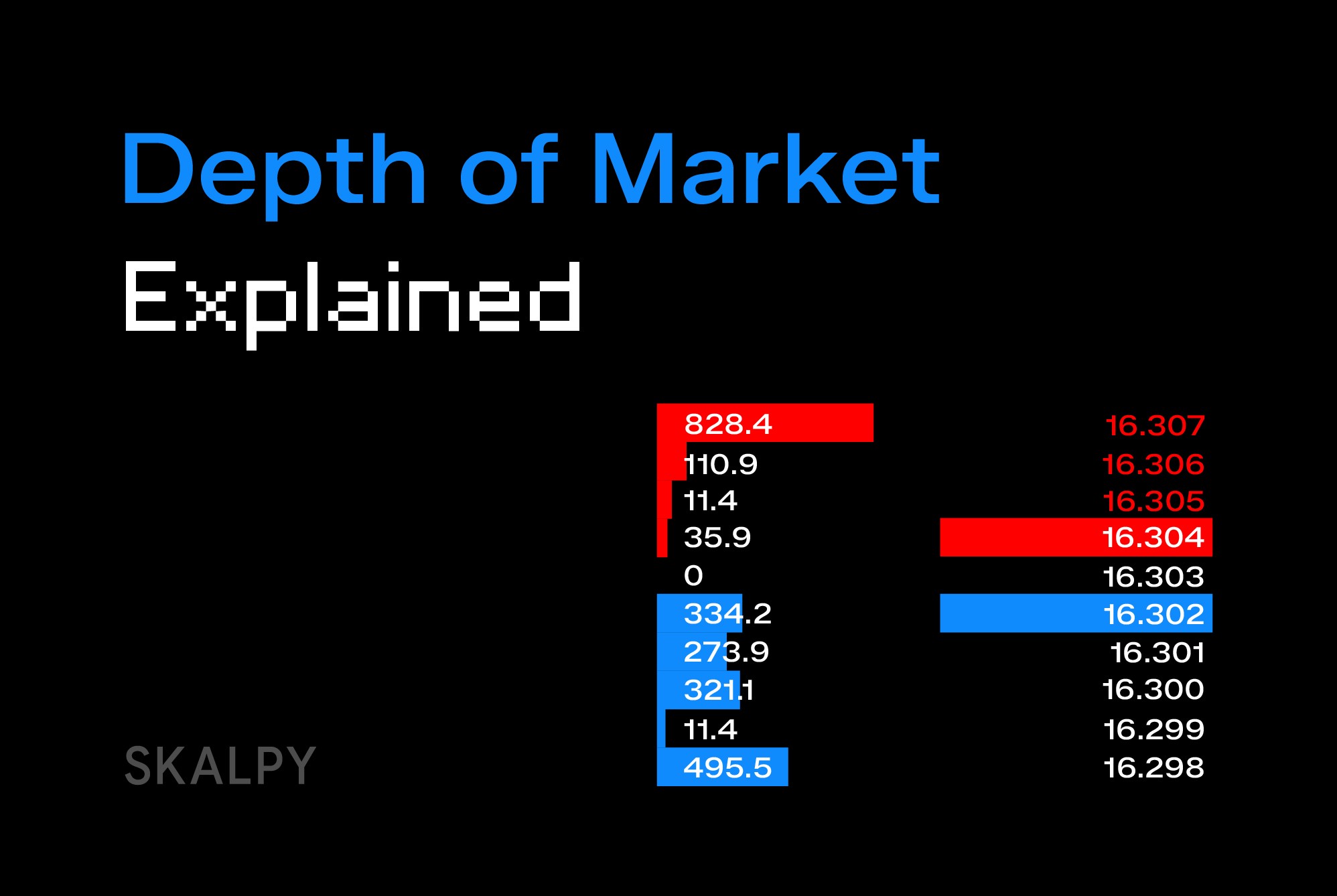
What Is the DOM in Trading? How to Read Depth of Market Like a Pro
Learn how to read Depth of Market (DOM) in trading. Understand order books, bid-ask walls, and liquidity levels to make smarter trading decisions in stocks, futures, and crypto markets.
Trading
Bid and Ask Price Explained: Understanding the Spread in Trading
Learn what bid and ask prices mean in trading, how the spread affects your costs, and why understanding these basics is crucial for profitable trading in stocks, forex, and crypto markets.
Scalping
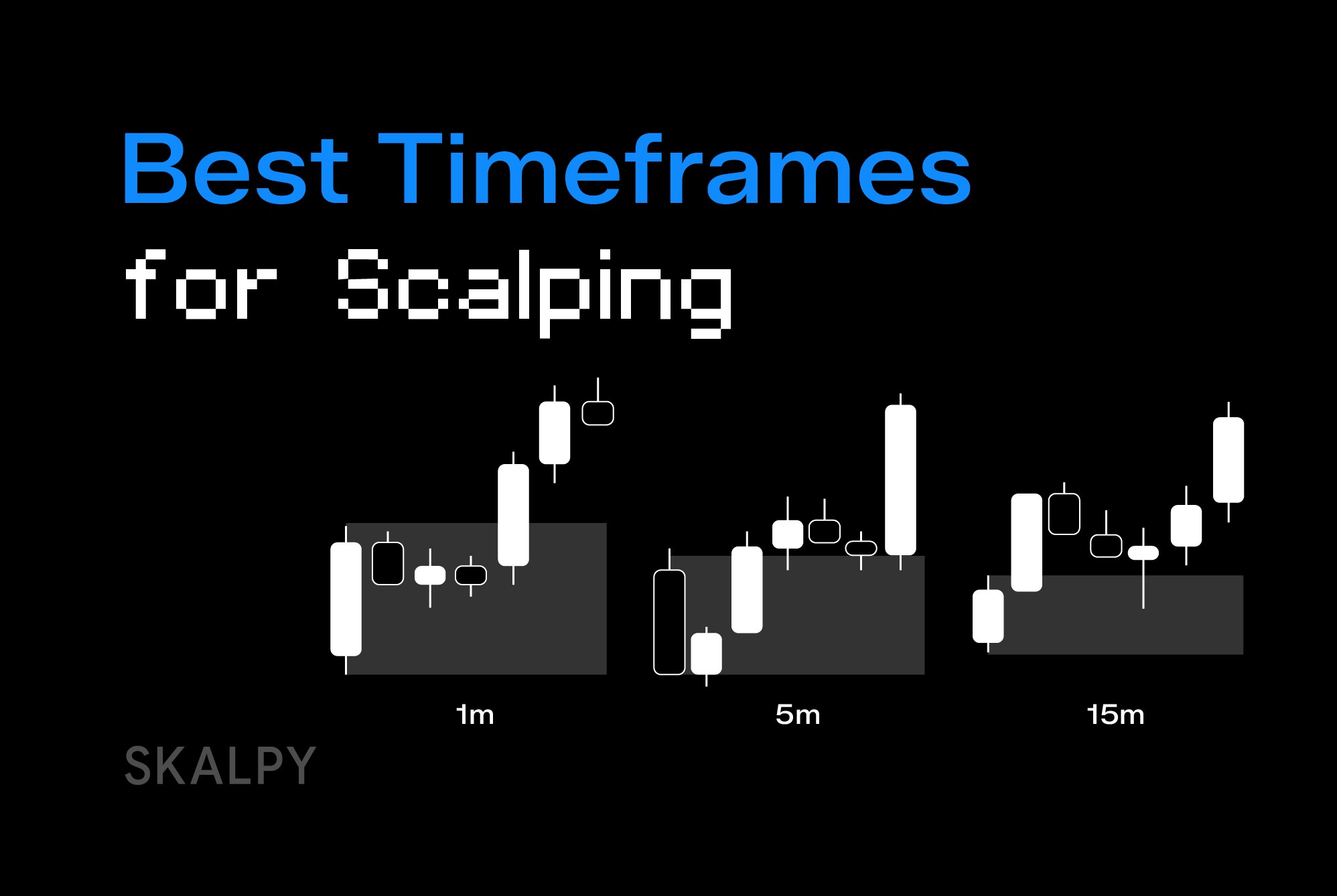
Which Timeframes Work Best for Crypto Scalping?
Discover the optimal timeframes for crypto scalping, from 1-minute to 15-minute charts, and learn how to choose timeframes that match your trading style.